
The Iran war will hit food prices, fuel costs and interest rates. But with a few smart moves, we could could turn this crisis to our advantage
Energy shocks don’t just raise our energy bills – they can be turning points in how our economy runs. The UK responded to the energy crises of the 1970s by reshaping its energy system and doubling down on extracting its own fossil fuels from the North Sea. Investment poured in and the UK became a net energy exporter. When energy security is on the line, serious countries act at scale. Today, as the war in Iran continues, scraping the North Sea barrel for the last of its planet-heating fuel is no longer a solution. If the UK is to weather the shocks to come, we need to build a clean energy system for the next generation.

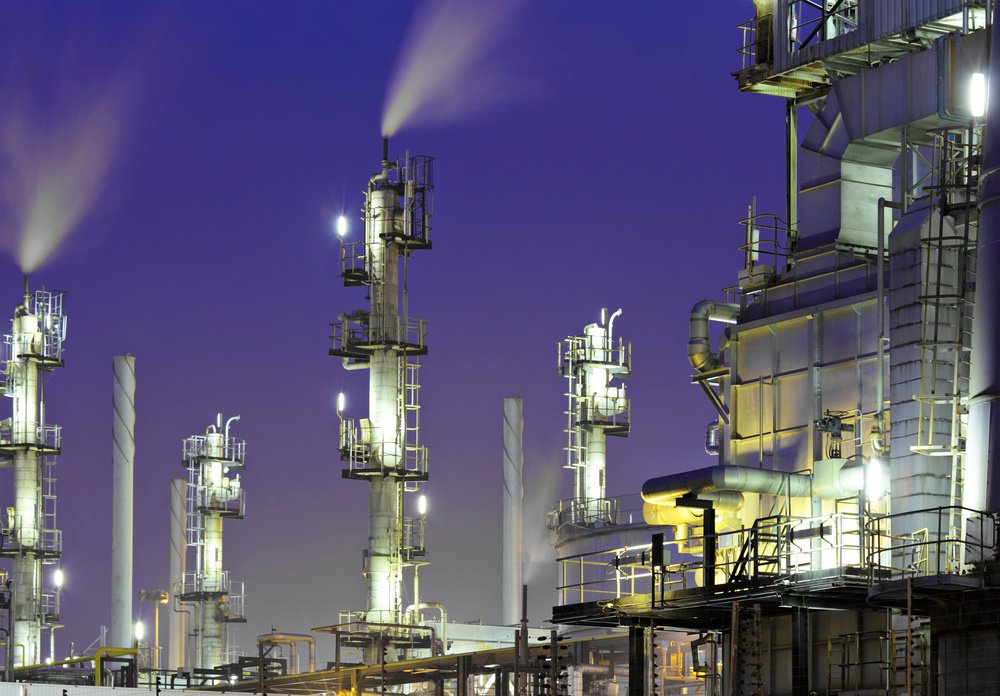
Oil refinery plant at night
A supply deficit of 10m oil barrels a day and a fifth of global liquefied natural gas (LNG) trade is already having significant effects around the world. The UK is painfully exposed to international gas prices. The public expect inflation to soar, the market is forecasting a rise in interest rates over the next year, and costs on some government borrowing have risen to levels not seen since the 2008 financial crisis. This is what a fossil-fuel shock looks like for an import-dependent country, and it will not stop at energy. UK food inflation is already high, reaching 3.3% in February, and we are likely to see much higher food prices in as little as three months.
There is one hard truth: the fossil-fuel giants will not save us. New reporting shows that the hundreds of North Sea licences handed out by UK governments since 2010 have produced only 36 days’ worth of extra gas. Incumbent powers rarely want to transition from the system that made them powerful. This is why BP has openly shifted back towards oil and gas to rebuild investor confidence, while Shell has kept its bumper share buy-back machine running. It’s time to recognise that when you find yourself in a hole, you need to stop drilling.
We also need to stop using gas to set the price of electricity for every other energy source. This matters because as we move to more renewable energy, gas will increasingly play the role of a backup generator when wind and solar generation is low. It needs to be treated and paid as a backup and not the mainstay of the UK grid. Recent work from University College London and Common Wealth points to a practical route where gas plants get paid a fixed or regulated price, avoiding the vagaries of the wholesale market.
Read more: The Guardian

