
Solar panels are built to keep generating electricity for decades, but their lifespan depends on panel quality, degradation rates and how well the system is maintained
If you’re considering solar panels for your home, one of the first things you’ll want to know is how long they last. Lifespan matters because it helps determine how many years of lower electricity bills you could enjoy after the upfront cost has been recouped.
The encouraging news is that the best solar panels are designed for the long haul. Most modern panels are expected to last 25 to 30 years, and often longer, which is a big part of why they can make financial sense for homeowners.

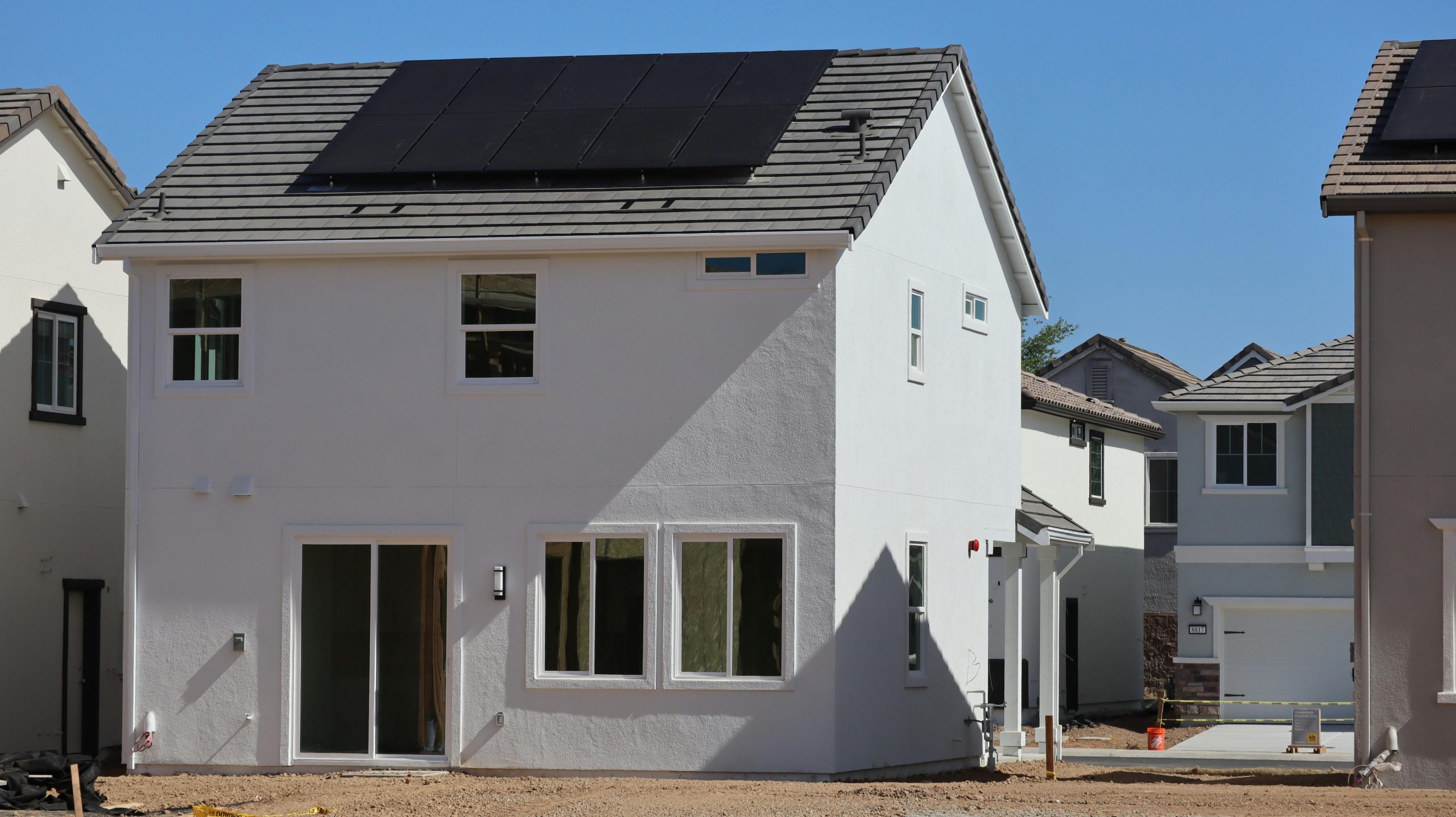
Modern Eco-Friendly Home with Solar Panels (Image: D. Goug/Pexels)
Most systems also come with long warranties, often lasting up to 25 years, offering added reassurance. As long as the panels are installed properly and well-maintained, they should continue generating electricity for decades.
How long do solar panels last?
Most modern solar panels are designed to last 25 to 30 years, and many continue producing electricity beyond that. That does not mean they suddenly stop working after 25 years. Instead, their performance gradually declines as the panels degrade over time. A good rule of thumb is that modern panels lose around 0.3 to 0.5 per cent of output per year, which means many will still generate roughly 85 to 90 per cent of their original capacity after 25 years, depending on the brand and model.
Manufacturers usually back this up with long performance warranties, often lasting 20 to 30 years, alongside separate product warranties that cover manufacturing defects. The panels themselves are built for the long term, but other parts of the system may need attention sooner. In particular, the solar inverter often has a shorter lifespan and may need replacing after around 10 to 15 years, making it one of the main long-term maintenance costs to factor in.
Read more: Independent

