
Cheap plug-in solar panels are soon to be available at Lidl, but will this save you money in the long run?
“Plug-in” solar panels will soon be available to buy in British supermarkets, the Government has announced.
It is estimated that these panels could save households around £70 to £110 per year on their electricity bill at a time when energy costs are soaring due to the war in Iran.
Experts told The i Paper these solar panels, which will be stocked by Lidl and Amazon, could be a good option for some, particularly renters or people living in flats.
However, larger systems that are installed by contractors would provide better long-term savings for many households.

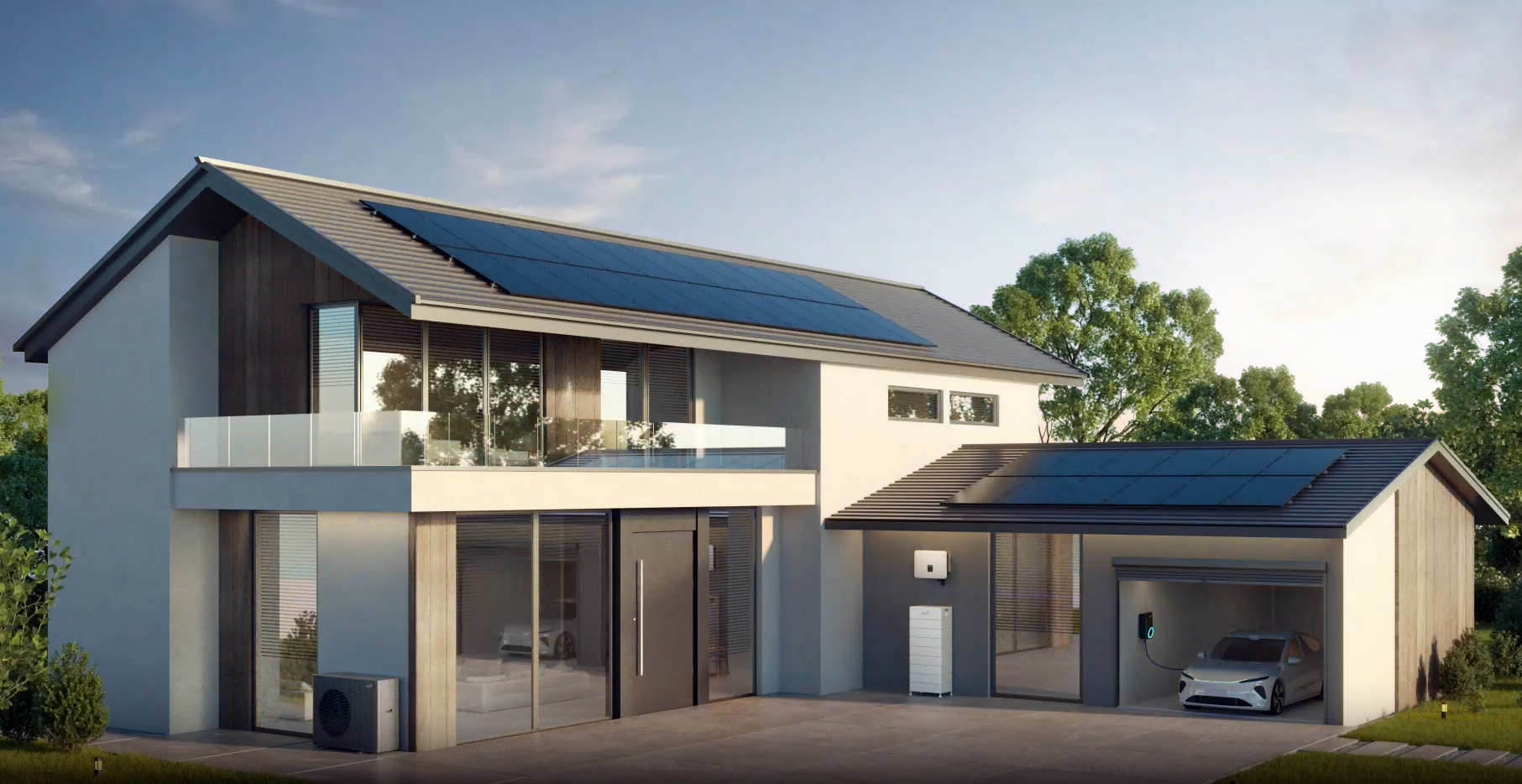
Solar and Battery Eco-system (Image: Fox-ESS.com)
Here are the different options and how much money you might save.
Plug-in solar
UK regulations do not currently allow plug-in solar panels that can be plugged directly into a socket to provide a home with free electricity when the sun is shining.
However, ministers have vowed to change the regulations “within months” and retailers such as Lidl have committed to stocking them.
These panels will be on the market for £400 and the Government has calculated they could save a household between £70 to £110 a year on energy bills, meaning the household would make their money back in around four years.
Gareth Simkins, spokesperson for Solar Energy UK, which represents the solar industry, said this was a “very suitable” option for some people, most notably those who live in a flat with a balcony.
However, he said these solar panels were limited to a capacity of 800 watts, compared with a more traditional rooftop solar array that often has a capacity of around four kilowatts. The latter option generates more free electricity and therefore is associated with larger savings in the long term.
Traditional solar
A more traditional solar system is one that is installed on a home’s rooftop by a contractor and wired directly into the mains.
The average up-front cost is around £6,000, but this can vary greatly depending on the size of the system.
Another key decision is whether to purchase batteries, which can store the excess power generated when the sun is shining to use in the evening. This would roughly cost an additional £3,500 but would provide greater savings in the long term.
While the upfront cost is hefty, these systems are associated with larger savings of around £190 to £350 per year. Households can also make hundreds of pounds per year exporting their unused electricity to the grid.
Read more: iNews

