
British drivers are once again facing rising fuel costs as geopolitical tensions push oil prices upwards.
According to the leading automotive consumer advice platform, The Car Expert, this latest surge could mark a ‘tipping point’ in how motorists approach their next car purchase.
Unleaded petrol is approaching £1.50 per litre, diesel is nearing £1.70, and oil prices are edging towards $120 a barrel. For a typical UK driver covering 8,000 miles per year, that already represents an additional £200 to £300 annually compared to January 2026 – three months ago.

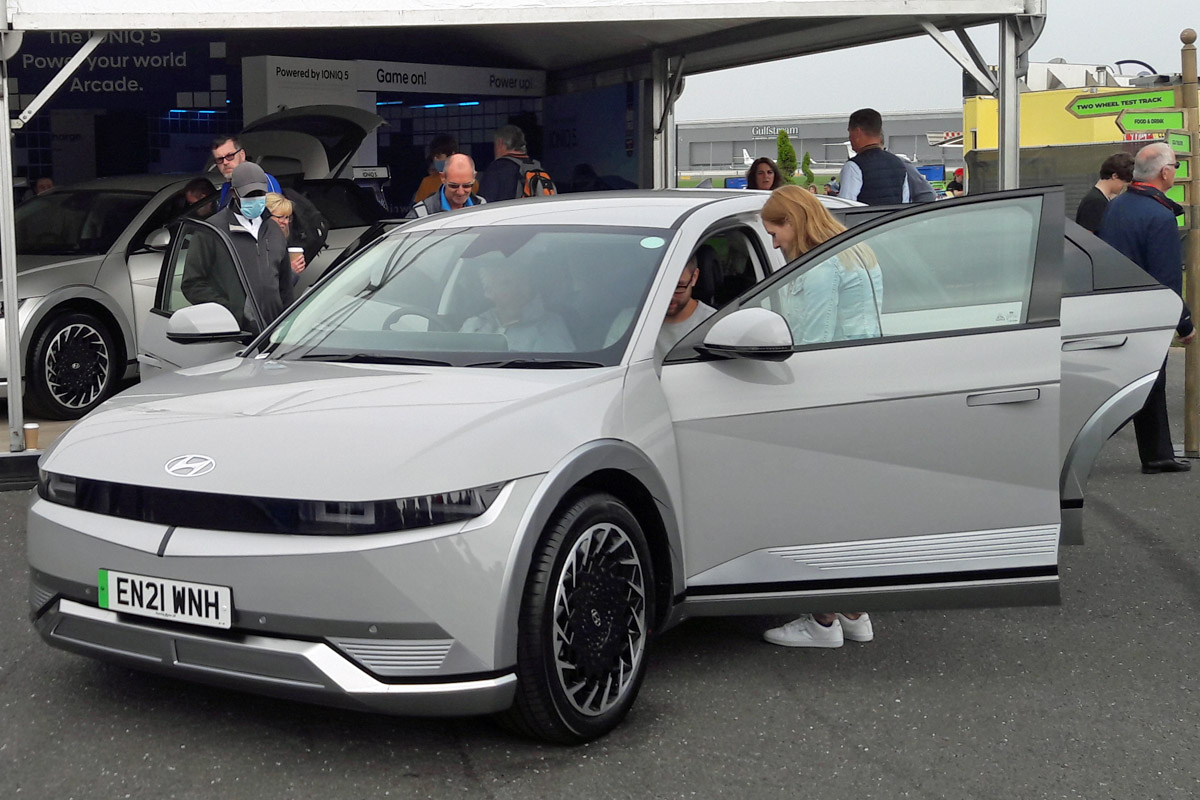
Hyundai IONIQ 5 EV (Image: TL/Tanjent)
For decades, these spikes have followed a familiar pattern – most recently after the Russian invasion of Ukraine, when petrol prices nearly hit £2 per litre. But this time, the market has changed, analysis from The Car Expert has found.
“Every time there’s a global crisis, UK drivers feel it almost immediately at the pumps,” said Stuart Masson, Editorial Director at The Car Expert. “The difference now is that, for the first time, a clear majority of new car buyers, and a much larger number of used car buyers, actually have a viable alternative.”
The UK electric car parc has expanded rapidly since 2022, with around two million EVs expected on the road by the end of 2026. Greater model choice, improved finance offers and a growing used market have made switching more accessible than ever. Charging infrastructure has also improved significantly, with around 120,000 public charge points now available nationwide.
For drivers with access to home charging, the cost benefits are substantial. Charging typically costs around £250–£300 per year for 8,000 miles, compared to more than £1,800 for a petrol car at current prices.
“If you can charge at home, the maths is already very clear,” Masson added. “You’re looking at savings of well over £1,000 a year, and that gap only grows every time fuel prices spike.”
Read more: Motoring Chronicle

