
With petrol and diesel prices jumping amid the Iran war more drivers are looking into EVs – here are the upsides, and the potential drawbacks, of going electric
Fuel prices continue to rise as a result of the conflict in the Middle East, and this may push people to consider getting an electric vehicle (EV).
EVs can offer a number of benefits for drivers. One of these is that because they don’t rely on petrol or diesel, owners are less exposed to fluctuations in global oil prices, which have been steadily increasing in the past few weeks.
There are multiple other advantages too – and some downsides. The i Paper looks into them below.
Advantages of buying an EV
Cheaper to run
Charging an electric vehicle is often cheaper than filling up at a pump, and this is particularly true if you can charge it at home. Edmund King, president of the AA, said that for drivers who charge at home it is economically a “no-brainer” to go electric, with research from the AA finding that excluding installation costs, EV home charging was 59 per cent cheaper per mile than petrol equivalents.

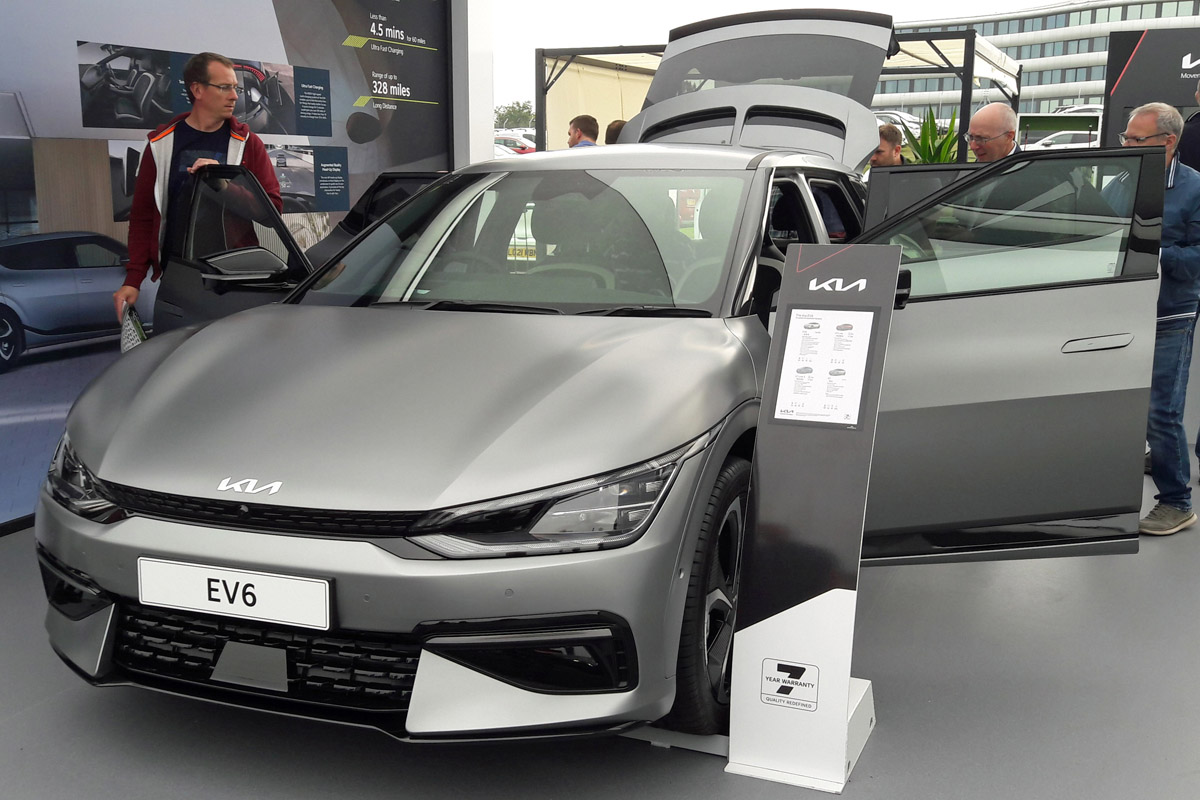
Kia EV6 (Image: TL/Tanjent)
Drivers of electric vehicles are also dodging the price rises already hitting UK forecourts after the halt of shipments through the Strait of Hormuz – due to the crisis in Iran – sent the price of oil higher. The RAC said the average price of diesel on Sunday was 160.3p per litre, compared with 142.4p on 28 February. Petrol prices are up 7 per cent over this time frame, from 132.8p to 141.5p a litre.
In contrast, EV charge costs are based on electricity prices. These are affected by the energy price cap, which will actually go down next month. Analysts predict the cap could rise in July if the situation in Iran continues – with analysts projecting a rise of around 10 per cent – but it would not close the gap between fuel and electric.
Read more: iNews

