
Fossil fuels aren’t a shield against chaos. They are a conduit for it.
Iran’s daily strikes on Gulf energy infrastructure didn’t just set oil terminals ablaze. They have also torched one of the most persistent myths in modern energy politics: that oil and gas are the irreplaceable foundation of “energy security.”
It’s a myth that Daniel Yergin, the éminence grise of the oil commentariat and vice chair of S&P Global, has spent years carefully cultivating. From heavyweight essays to cozy conversations with BlackRock’s Larry Fink, Yergin has argued that hydrocarbons are the bedrock of a stable world — and urged more, not less, fossil fuel production.
Then came a few nights of missile and drone strikes.

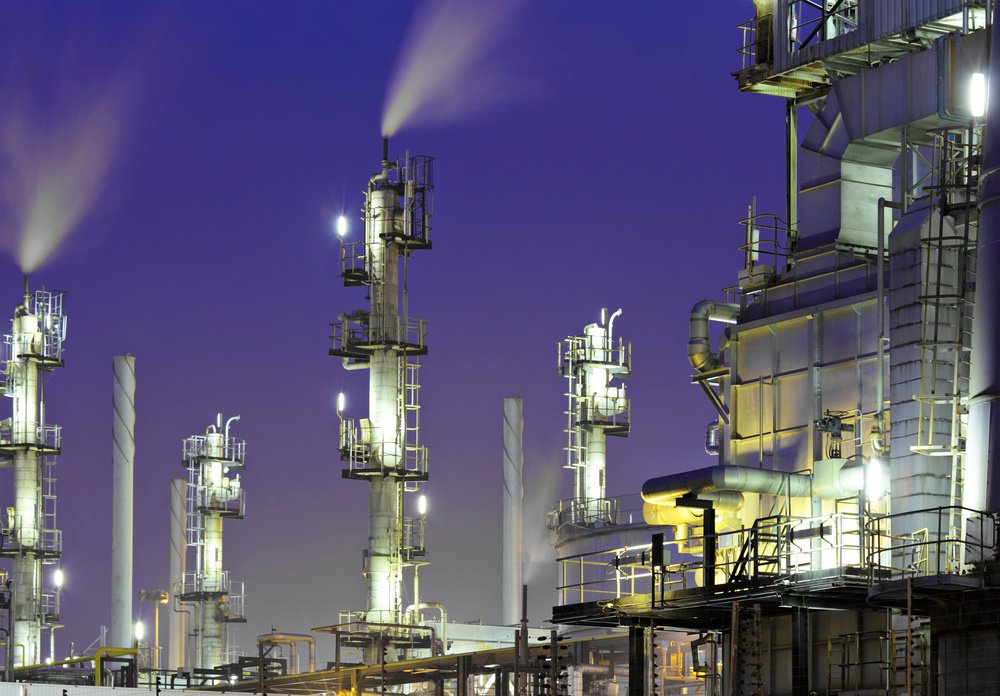
Oil refinery plant at night
Suddenly, the same man insisting the world must plan for “decades more” of oil and gas energy dominance now admits he is “alarmed” by the escalating odds of “the greatest oil supply upheaval in history.” With the Strait of Hormuz is choked an LNG plants and refineries idled, the war has reinforced the brutally obvious: fossil fuels aren’t a shield against chaos. They are a conduit for it.
When younger Daniel knew better
What makes Yergin’s current position so striking is that younger Dan saw this coming. After the oil shocks of the 1970s, he praised Jimmy Carter as the first modern president who understood that America “could not continue” on a path of ever-rising oil imports. Carter symbolically installed solar panels on the White House roof and argued that sun and wind were immune to cartels, embargoes, and future energy wars. He pushed efficiency, funded early solar and wind research, and is widely seen as the first US president to treat what we now call climate change as a serious, long-term threat.
Read more: Climate and Capital Media

