
- The Strait of Hormuz blockage is the largest oil supply disruption in history, cutting off one-fifth of global oil and gas trade — but a far more diverse energy mix, led by solar, is absorbing the shock.
- Global solar capacity surged from 228 GW in 2015 to 2,919 GW in 2025, overtaking nuclear and now supplying roughly 9 percent of world electricity, with projections pointing to 9,000 GW by 2030.
- Sixty-three percent of emerging markets in Africa, Asia, and Latin America now generate more power from solar than the United States, with countries like Pakistan, Morocco, and Kenya leading some of the fastest energy transitions on record.
The effective blockage of the Strait of Hormuz has thrown the world’s continued dependence on fossil fuels into sharp relief. The interruption to the waterway, which accommodates one-fifth of the world’s oil and gas, has thrown global energy markets into turmoil. The blockage represents the single-largest interruption to global oil trade in history. But it’s not causing nearly as much pain as past oil crises thanks to a much more diverse global energy mix.

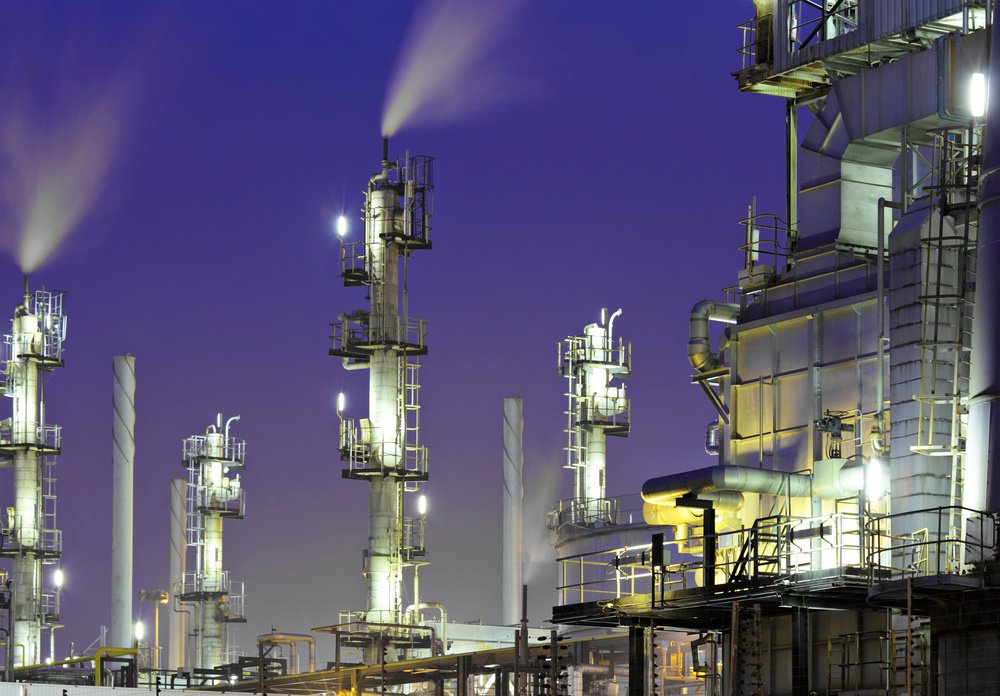
Oil refinery plant at night
“There is little sign that the war with Iran will cause the kind of economic pain experienced about a half-century ago, when oil met almost half of the world’s energy needs,” the New York Times wrote in a report earlier this month.
To a large degree, you can thank solar energy for the fact that you’re not in a 1970s-style gas line. Globally, solar power capacity has seen an exponential rise over the last decade thanks to plummeting costs of the installation and maintenance of photovoltaic energy systems. In 2015, solar power provided just 1 percent of the world’s electricity as 228 total gigawatts. In 2025, that figure has skyrocketed to 2,919 gigawatts, providing about 9 percent of the world’s electricity, overtaking nuclear power.
Read more: OilPrice

