
Renewable energy in buildings was once seen as a green luxury, commendable but far from essential. Now it is reshaping the fundamentals of property value.
Solar PV, battery storage and other on-site renewable technologies have moved from being optional add-ons to becoming central components of a building’s financial performance, resilience and long-term viability.
Yet for all their advantages, these systems often require significant upfront investment, and many commercial landlords, developers and homeowners hesitate at the initial capital outlay. As energy prices fluctuate and the UK tightens its net-zero trajectory, getting clear on the actual costs and the expanding list of benefits of renewables is central to asset strategy.
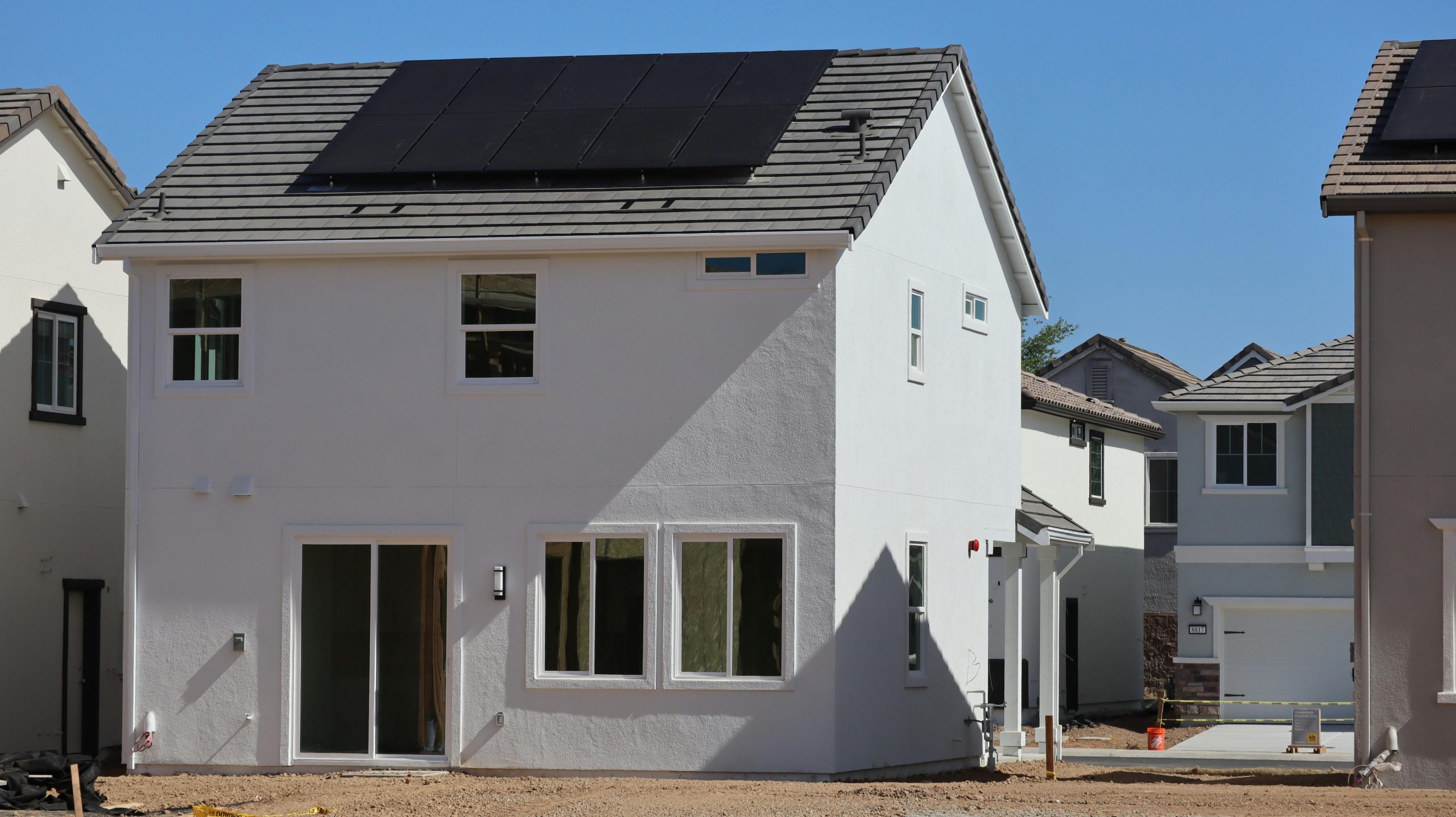
Modern Eco-Friendly Home with Solar Panels (Image: D. Goug/Pexels)
The upfront cost of renewable energy remains the most visible barrier. A domestic UK solar system on a three bed home ranges from £5,000 to £9,000, with battery storage typically costing £3,000-£7,000. Commercial installations, multi-residential blocks and industrial rooftops naturally cost much more, sometimes into six-figure territory.
These expenses usually arrive before any savings do, and in an economic climate where capital budgets are tight, hesitation is understandable. However, companies such as EQONIC, BOXT or Octopus Energy allow businesses and building owners to spread the cost of solar and battery installations into monthly or quarterly instalments, turning what was once a capital-intensive decision into a manageable operating expense.
Once solar panels and battery are installed the owner can expect to save around £600-£1,000 a year in energy costs on a typical three bed home by installing solar panels and a battery. The estimated payback for the ROI is around 5-12 years for a battery solar system. This is particularly significant in the UK context, where homeowners move on average every 17 years.
Read more: Solar Power Portal

