
When the clocks go back and the days close in, it’s natural to wonder whether solar panels can still pull their weight.
The UK’s short daylight hours and famously grey skies fuel a common misconception that solar panels ‘switch off’ in winter. In reality, photovoltaic (PV) systems continue producing electricity throughout the colder months, and in some cases, they even work more efficiently. The catch is simply that there’s less light to work with, so output inevitably dips.
Winter performance varies by region, weather and system design, but the core principle remains the same: solar panels don’t need heat to generate electricity. They need daylight. And in the UK, there’s enough of it year-round for a well-installed system to make a meaningful contribution to your home’s energy use.
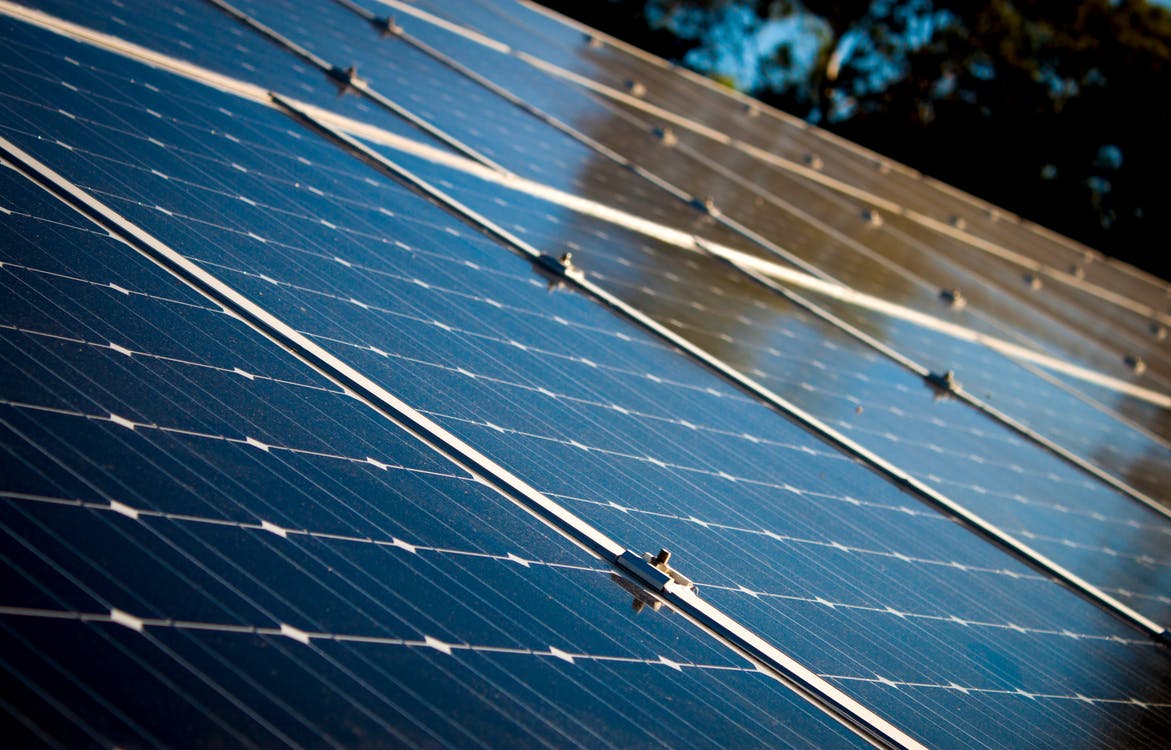
Do solar panels still generate electricity in winter?
Yes. Solar panels convert sunlight into electricity using PV cells, which respond to light rather than temperature. Cold conditions can actually improve panel efficiency. The challenge is reduced daylight time. A typical December day in the UK has around eight hours of daylight – far less than the 16 or so hours seen in midsummer – so overall production drops.
Even so, solar panels remain active whenever light hits them. They’ll generate less than in summer, but they certainly don’t stop.
Read more: Independent

