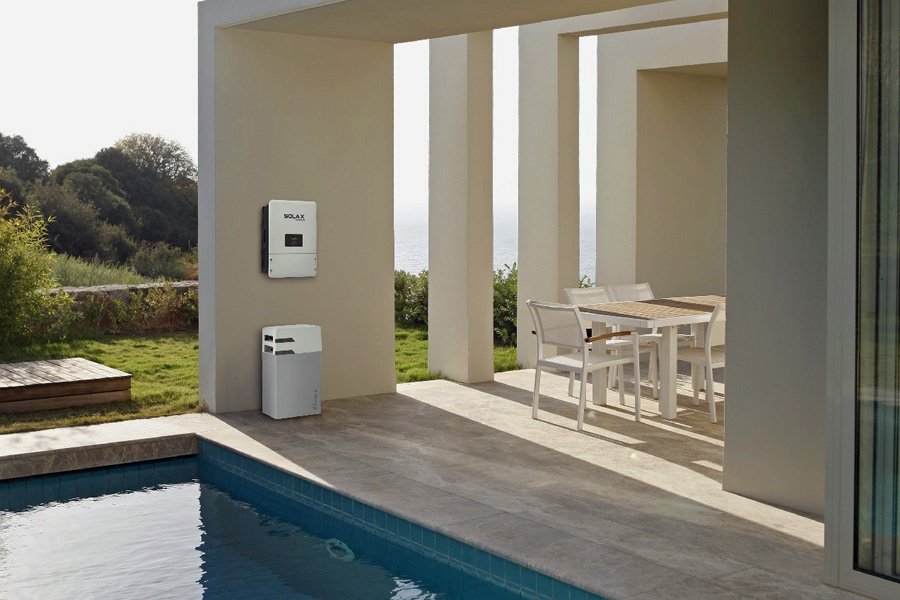
Home batteries are increasingly marketed as a kind of financial shield.
Charge them overnight when electricity is cheap. Use that stored energy when prices spike. Avoid the dreaded 4pm-7pm peak. Maybe even get paid when wholesale prices dip below zero.
It’s an appealing proposition in a country still wary of bill shocks. But how much protection does a home battery actually offer?
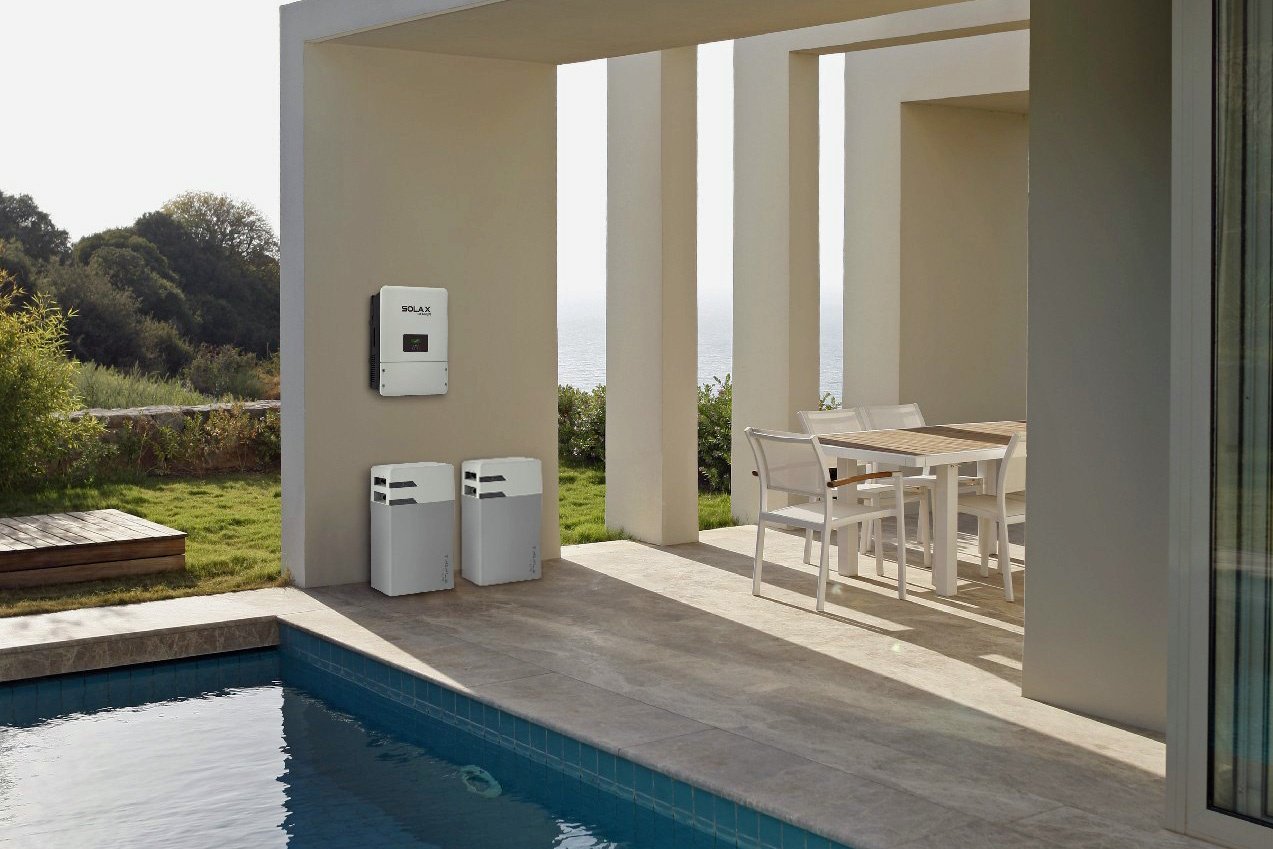
The honest answer depends on what you’re pairing it with and how you use it. A battery can help you shift when you buy electricity, soaking up cheap off-peak power (or surplus solar) and covering some of your more expensive evening demand. But the size of your battery matters, the tariff you’re on matters, and in a world of changing price spreads, the numbers don’t always stay put.
According to Phil Steele, future technologies evangelist at Octopus Energy, the answer is more nuanced than the sales pitch suggests. A battery can significantly reduce exposure to peak prices, but it doesn’t remove you from the energy market altogether.
First principle: batteries make most sense with solar
Steele is clear about his starting point. “My preference is always to have a solar system installed,” he says. “Because the moment you’ve got solar, you’re generating your own energy and you are storing any excess energy.”
In spring and summer, especially, a typical domestic solar panel system can produce more electricity during the day than a household can use. But without a battery, that excess is exported to the national grid. Octopus’s outgoing tariff, for example, currently pays 12p per kilowatt hour (kWh) for exported electricity.
Read more: Independent on AOL