Many 10-year-old solar systems still work, but quietly underperform. In 2026, repowering outdated 3kW systems can cost less than repairs and deliver far bigger bill savings.
If your solar system was installed around 2016, there’s a good chance it’s still switching on every morning. And yet, your electricity bill is still around $800.
This is the quiet problem many households are facing in 2026. A huge wave of solar systems went up 10 years ago, designed for smaller homes, lower energy use, and much cheaper power. Although they haven’t “failed,” they have slowly fallen behind, which can mean some homes are now losing up to 30% of their original output without realising it.
Since the system still works, most owners assume it’s doing its job. However, in reality, many older systems are stuck in a kind of solar limbo — producing just enough to look alive, while quietly costing their owners far more than they should.
Before spending money on repairs, it’s worth asking a more important question: Is your solar system worth fixing at all, or is it time to repower it for how homes actually use energy in 2026?
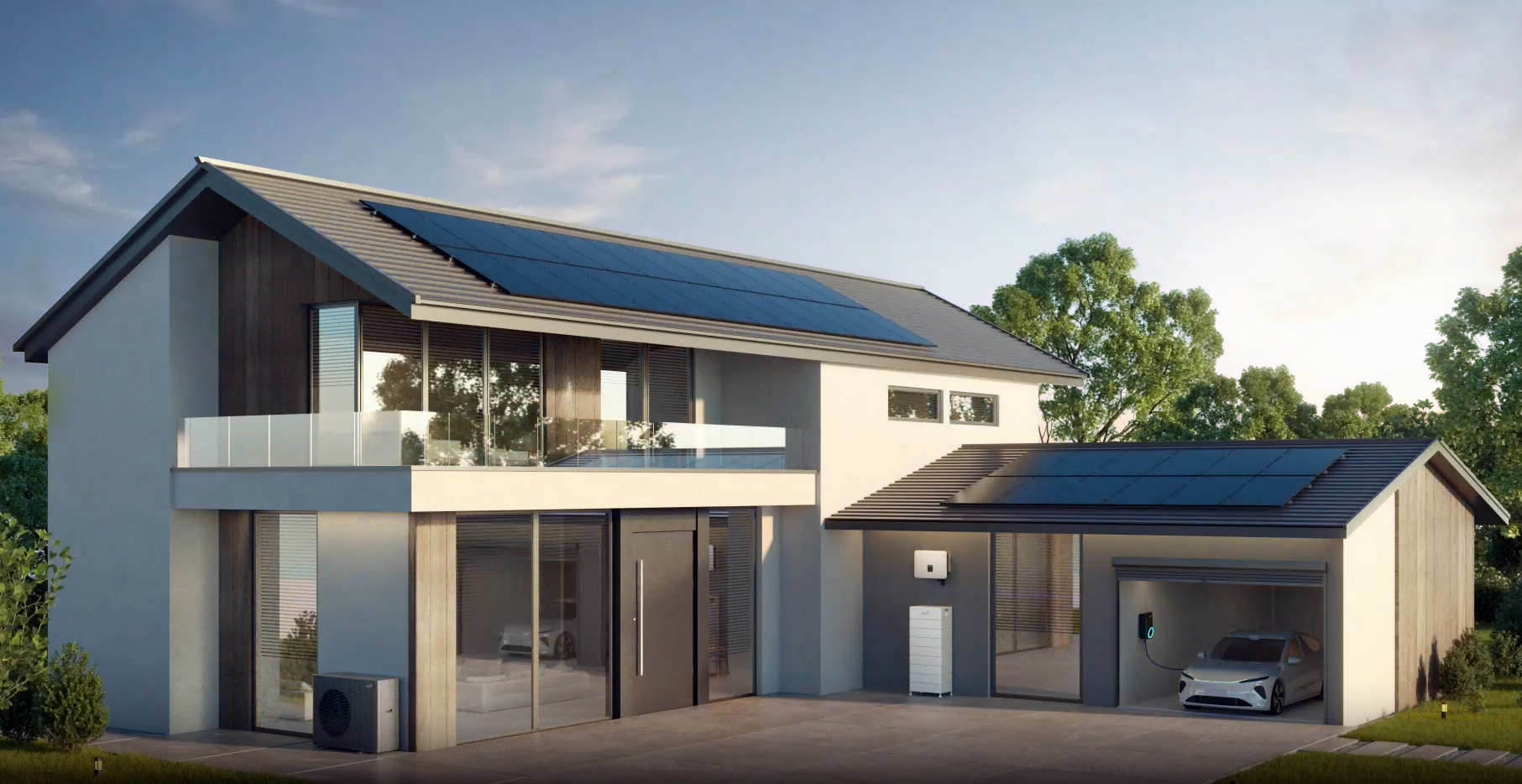
Fox ESS Eco-system (Image: Fox-ESS.com)
Why 2016-2017 systems are quietly hitting a wall
Most solar systems installed around 2016 or 2017 were designed for a very different energy reality. Back then, a typical residential install sat between 3kW and 5kW. That was enough to cover daytime usage, offset part of the bill, and take advantage of generous feed-in tariffs (FiTs). Few households were thinking about electrification, EV charging, or running multiple high-load appliances at once.
Fast forward to 2026, and that design no longer lines up with how homes actually use electricity. Energy demand has crept up while grid prices have risen sharply. Air conditioners run longer, home offices are permanent, and more appliances are electric-only. Yet the solar system on the roof is still locked into a decade-old capacity.
At the same time, many of the components in these systems are simply ageing out. Early-generation inverters are often past their original warranty period, panels are operating below their rated output, and monitoring is basic or misleading. The result is a system that hasn’t failed outright, but no longer delivers bill relief.
Read more: Energy Matters