
From the age of 16, Tom Blakey was in the British Army’s Parachute Regiment. After 25 years of regular service, he spent another eight years as a reservist.
The regiment’s motto, Utrinque Paratus – Ready for Anything – remains front of mind in his daily life, even though he’s now 54 and no longer in the military.
“I was at the sharp end for most of my career,” he says, “in all sorts of hostile environments, and I saw things all around the world in areas where people were struggling to survive. It brought home that one day this could be me.”
Blakey is a prepper, or someone who is interested in how to be prepared for the worst in this increasingly unstable world. He runs courses and teaches people skills in survival, prepping, bushcraft and resilience. Blakey says he isn’t a conspiracy theorist, and he doesn’t think the world is about to end, but he does feel that the environmental crisis and the geopolitical shifts make for potential dangers we didn’t previously face.
“The fact that we’re facing potential war, is really quite scary,” he says, referring to the UK’s increasing tensions with Russia. “But the thing is, we don’t need to have nuclear bombs dropping on the UK, to have major issues. The fact that everything’s controlled digitally nowadays means cyber attacks could knock out our supply systems. It wouldn’t take a lot for Russia to mess with our systems in the UK, and I wouldn’t be surprised if that sort of thing starts happening more frequently. You can completely disable a country without firing a shot nowadays, if you’ve got the means to do it, and I don’t have confidence in the UK that we’re ready for that.”
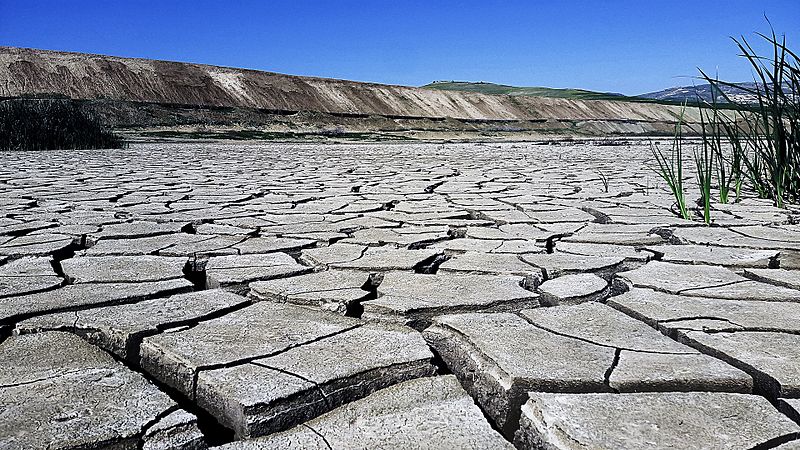
It isn’t only geopolitical tensions and global warfare that it’s worth being prepared for, says Blakey, it’s also issues within the UK itself: particularly water. “There have been massive water shortages,” he says, “or contaminants in water that came out all of a sudden, and people didn’t realise would be there.”
At the end of November, a local water treatment centre in Tunbridge Wells, which was flagged as at risk by the regulator in 2024, was forced to shut down, leaving 24,000 households without water for a nightmarish two weeks. The Drinking Water Inspectorate later said this outage was foreseen and was due to a lack of maintenance at the site.
This kind of water crisis has happened in 2026 repeatedly across more than 30,000 homes in Sussex and Kent, leaving people for up to six days without water, after South East Water blamed freezing weather for leaks in its ageing pipe network. In 2024, around 17,000 households in Brixham, Devon, were told to boil their drinking water following an outbreak of cryptosporidiosis – a waterborne disease that can cause diarrhoea and vomiting.
Read more: The i Paper

