
Like EVs, solar panels are sold with warranties – but what happens when the warranty runs out? A Swiss university study of solar installations from the 1980s and ’90s found many still generating most of their original power.
A team of researchers from the University of Applied Sciences and Arts of Southern Switzerland led by Ebrar Özkalay recently completed a study that solar panels can last a lot longer than their typical 25-year warranty might suggest.
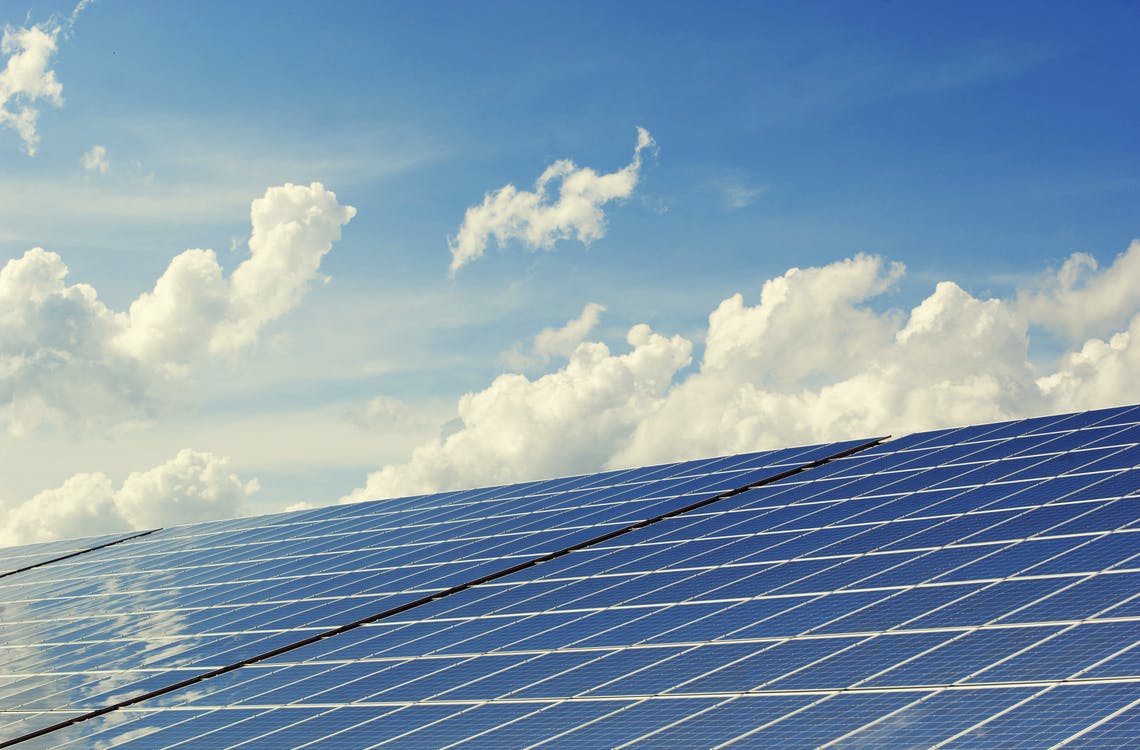
Özkalay’s team looked at six solar systems installed between 1987 and 1993 that have been in continuous operation since, and found most panels still producing more than 80% of their original output after nearly four decades.
That’s a critically important number, since (in 2023), more than 70% of the renewable electricity capacity added came from PV, and total installations reached more than 1.6 TWp at the beginning of 2024 and covering 8.3% of global electricity demand. As such, it’s nice to know all those solar installation are going to be providing clean, emissions-free energy for decades to come.
Solar array degradation data
The sites provided the study with decades of performance monitoring data with lab tests on selected modules to see how output changed and what physical wear looked like inside the panels, finding that physical loads on the panels (high winds, extreme cold, physical impacts, etc.) were the biggest drivers of degradation, but the team also zoomed in on the materials that make up a module, sometimes called the bill of materials, or the full “ingredient list” of components. And that list can vary from module to module, with the study finding clear differences between to material quality, even within the same module family.
Read more: Electrek

