
In the transportation space, people often say an EV is “just a battery on wheels”. Usually that means that whether you stack a bus or a truck on top, it is all the same. But let us take it one step further. The familiar shape tricks us into thinking of them as only cars, but what we see is energy storage that happens to drive.
The vehicle is simply a chassis. The real value? The battery. It is the most expensive and most flexible component in the system. It is capable of delivering value continuously even when the vehicle is sitting in a driveway, as it does in many households about 90% of the time. Think batteries first, mobility second. This inversion of perspective—viewing EVs as mobile energy units—has wide-ranging implications for who leads, profits, and participates in this transformation.
Three key players have the opportunity to leverage this untapped resource.
- Electricity Utilities understand the potential of grid-integrated storage. They want to build advanced electricity infrastructure and convince car owners to let them draw on unused EV battery capacity to meet power demand.
- Charging Infrastructure companies are already beginning to build new business models around energy services, allowing them to become arbiters or traders between EV owners and electricity companies.
- Automakers focus almost exclusively on the powertrain and mobility business, the exceptions being powerhouses like Tesla and BYD that are EV-first companies.
It will be fascinating to see who moves first to treat the battery not as a feature but as the product itself. Two questions underline the opportunity. First, where is the car owner in this equation? Second, can any one player move, without all players taking interconnected steps together?
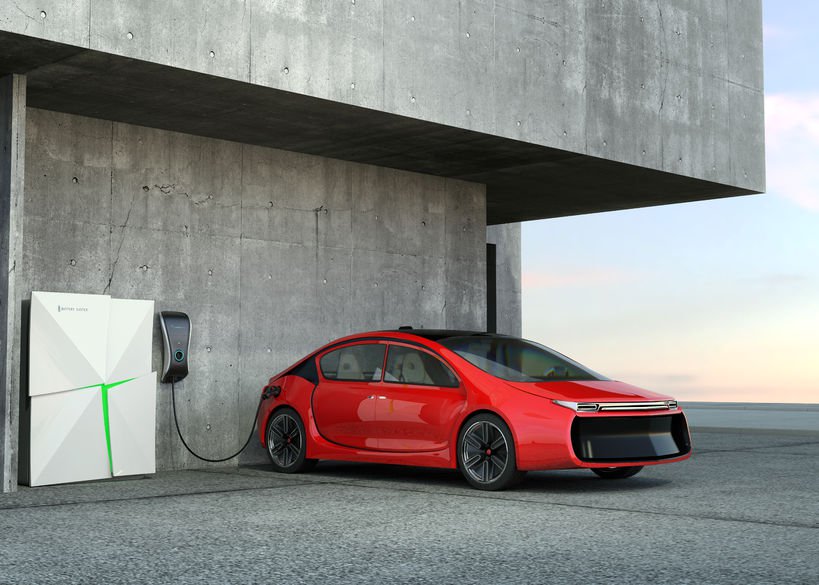
Therein lies the EV mind shift. The original purpose of EVs as vehicles may end up being secondary or, more accurately, complementary to the value of the battery as an essential part of the global energy transition.
Such economic repositioning has happened before with other new innovations. Consider the Slack platform. It began as an internal communications tool for a video game project, but eventually creators realized the tool was the true product.
EV batteries must be a critical piece for a new decarbonization electrification economy. The mobility they provide is an added bonus. The true product is the significant power they contain.
Read more: The Energy Mix

