
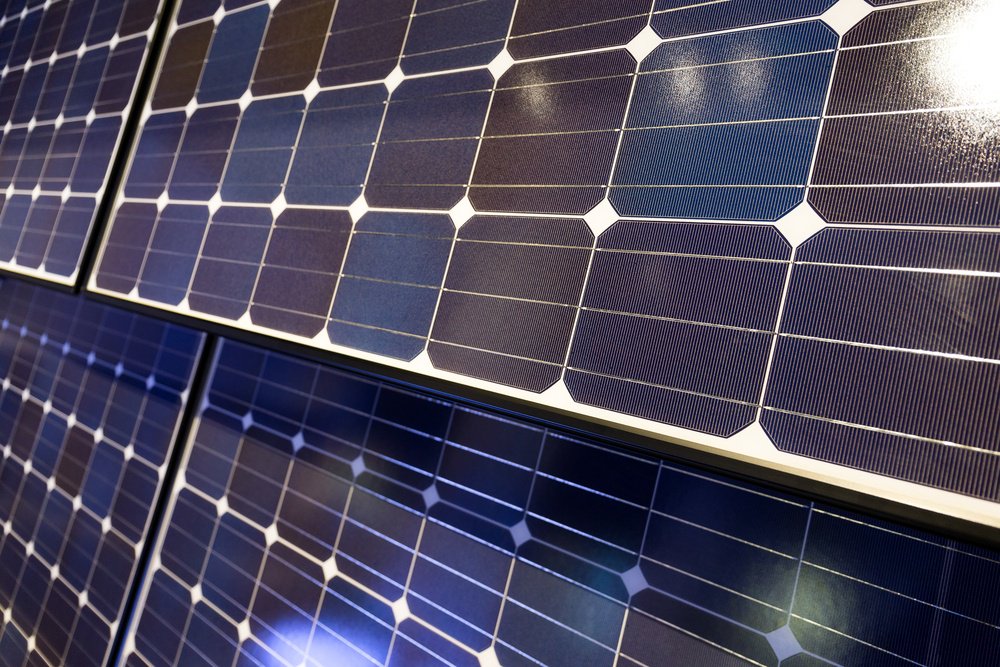
From April 2026, China will scrap VAT rebates on solar exports. The impact is already being felt across the market, with experts forecasting a 10–15% increase in panel prices, tightening supply chains and triggering pre-buying worldwide
China has confirmed that it will eliminate value-added tax (VAT) rebates on exports of photovoltaic products from 1 April 2026, a move set to mark a turning point for global solar prices. The fiscal incentive, which had already been reduced in 2024 from 13% to 9% for wafers, cells and modules, will be withdrawn entirely.
This decision introduces a new structural cost for all solar products exported from China, consolidating a shift in market dynamics after years of artificially low prices.

Under this new scenario, industry experts are projecting a significant increase in solar panel prices. Rafael Jiménez, Commercial and Business Development Director at VIRA Energy, estimates that “panel prices will rise between 10% and 15% from April”, representing a meaningful correction compared with 2025 levels.
For Jiménez, this adjustment does not signal a crisis but rather a return to normality.
“We are going back to real cost logic after a year of artificial pricing in 2025,” he said.
Energy consultant Alejandro Diego Rossel also anticipates upward pressure on prices, although more moderate. In his view, “the era of artificially cheap modules is definitively coming to an end” with the removal of the tax incentive. While he does not expect a mechanical increase equivalent to the eliminated rebate, he believes the measure will lay the foundations for a new market equilibrium.
Roberto Cavero García, another energy consultant, avoids putting a precise figure on the increase, but notes that the order of magnitude is broadly aligned with the 9% incentive that is being removed. In his assessment, prices are likely to trend upwards in the short to medium term, although the final outcome will depend on competitive conditions.
“Over the next six to twelve months, the most likely scenario is a price uptick driven by expectations and advance purchases ahead of April, followed by a step change in the export cost from China,” Cavero García told Energía Estratégica.
The final magnitude, he added, will depend on how much manufacturers absorb and how much the market passes on.
Read more: Strategic Energy

