
Here are four reasons solar energy has seen a meteoric rise in recent years
Forty-seven years ago U.S. President Jimmy Carter stood grinning in front of a set of 32 bulky solar panels. It was 1979, and the oil crisis had sent fuel costs skyrocketing. Carter, in response, was making the White House an example of conservation and alternative energy.
“Solar energy will not pollute our air or water,” he said. “We will not run short of it. No one can ever embargo the sun or interrupt its delivery to us.”
The panels were expensive and rudimentary by today’s standards. They cost roughly $160,500 in 2026 dollars, and they didn’t even generate electricity; all they did was heat water for things such as kitchen use. But Carter’s argument still resonates today: in a globalized economy in which a single conflict can shut down shipments of millions of barrels of fossil fuel overnight, the allure of the sun as a power source is inarguable. And there’s no better deal on energy, well, under the sun.
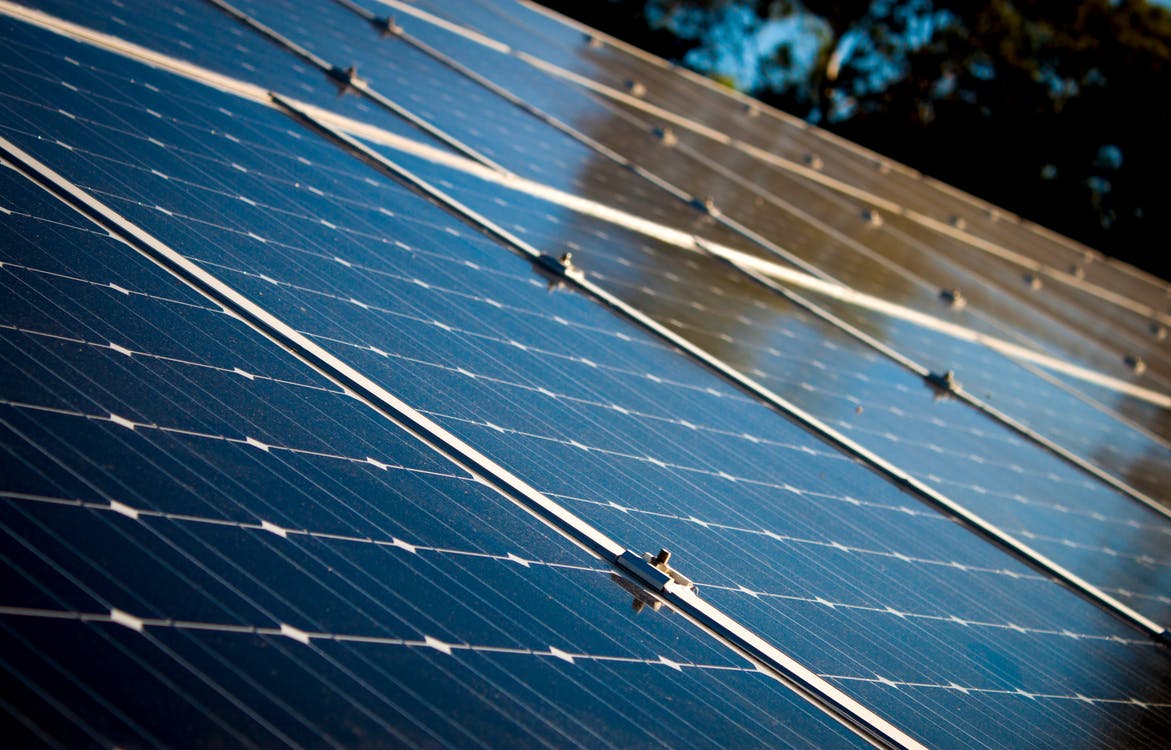
“Today solar makes the cheapest electricity,” says Walajabad S. Sampath, site director of the Center for Next Generation Photovoltaics at Colorado State University.
Even before the U.S.-Iran conflict closed the Strait of Hormuz for months, causing fossil-fuel prices to spike, solar was soaring. Last year the world added 600 terawatt-hours of solar photovoltaic generation, enough to power Canada for a year. It was the first time that a renewable source took the top slot in global supply growth. It was also the largest single-year increase for any electricity-generation technology, according to the International Energy Agency (IEA). As energy think tank Ember pointed out in April, today’s global solar generation is equal to the entire electricity demand of the European Union. And although solar is still catching up to natural gas and coal, its share of energy generation grew by nearly 19 times from 2014 to 2025.
The Trump administration has been hostile to solar power, cutting billions of dollars in funding for affordable projects and refusing to issue new permits through the Department of the Interior. But thanks in part to tax incentives and investments that predated the administration, solar power still has momentum in the U.S., and the economics remain attractive. In fact, this May solar outpaced coal’s monthly power share in the U.S. for the first time ever.
Here’s why a once niche energy source became a global powerhouse.
Read more: Scientific American

