
After defying projections, solar’s dramatic growth means it is now overtaking nuclear as a global power source. Here are seven reasons for solar’s success, and where it might go from here.
The world’s solar power is crossing a threshold. A decade ago, it barely registered on a global scale, providing just 1% of the world’s power. In 2026, it will almost certainly increase to 10% of power, and overtake nuclear, a mainstay of electricity since the late 1970s.
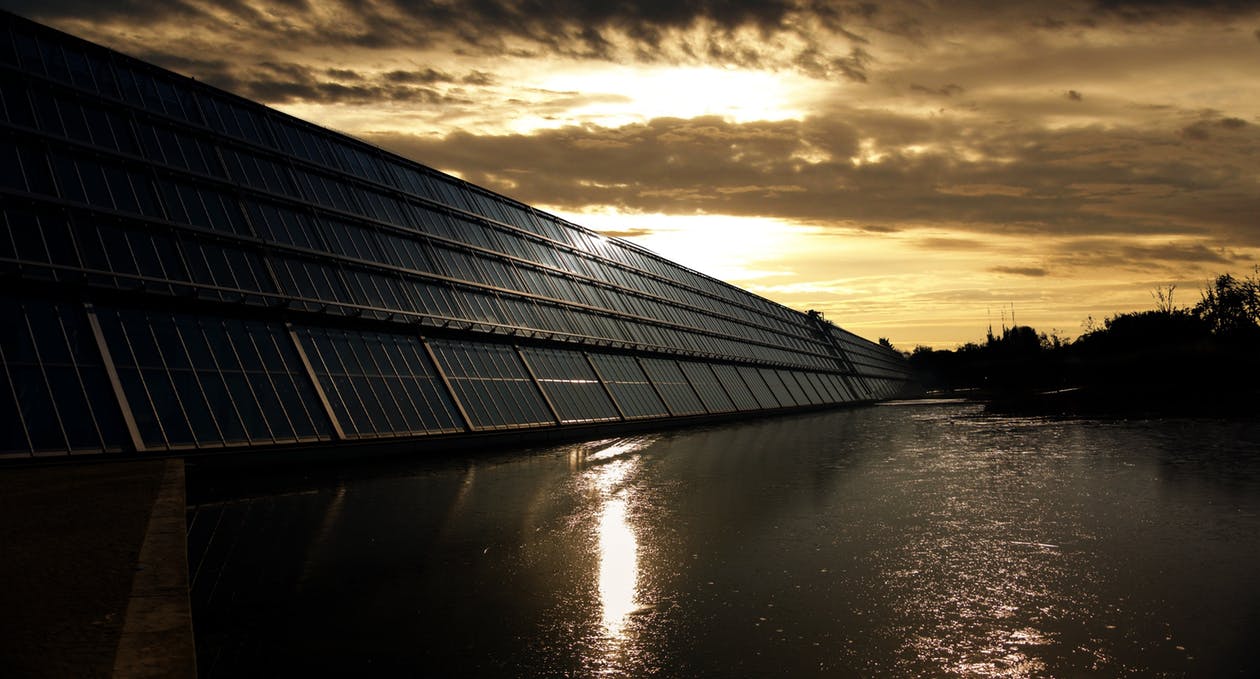
Globally, solar electricity generation quietly overtook nuclear power (just) in 2025, according to statistics from UK-based energy think tank Ember. And BBC analysis of Ember data over the past 12 months up to September 2026 shows it clearly outstripping nuclear, producing 13% more power.
“[Solar] generating more electricity than all the world’s nuclear power plants is a pretty insane stat, for sure,” says Dave Jones, co-founder of Ember.
From China’s vast arrays to a recent solar upsurge driven by escalating oil prices, the incredible rise of solar power has defied all projections. Here are seven ways it has become an apparently “unstoppable force” – and what the future looks like from here.
1. An underestimated force
“Solar is now the engine of the power transition,” says Jan Rosenow, a professor of energy and climate policy at the University of Oxford in the UK.
Solar has become the fastest-growing source of new electricity in history, and by far the largest source of new electricity globally. In 2025, it met three-quarters of the growth in the world’s demand for electricity, overtaking wind power generation (wind power is also growing, just a little more slowly).
“It wasn’t expected,” says Rosenow. Mainstream projections, he says, have underestimated solar year after year. Outlooks such as those from the International Energy Agency (IEA), an influential intergovernmental organisation based in Paris, “assumed linear growth and slowly falling costs, and got both wrong”.
Over 2026, multiple sources indicate solar electricity generation will almost certainly far exceed nuclear globally. Nuclear’s electricity generation has remained more or less constant since 2000, while solar’s has increased some 2,700-fold.
Read more: BBC

