
When I mention that solar panels blanket the roof of my house, the first thing people ask is whether I have an electric bill. Well, yes and no — but that’s only part of the story. Here’s what I’ve truly gained from rooftop solar.
I now drive for free
The closest thing you can get to having free gas
Electric bills are high seemingly everywhere, and now gas prices are shooting up too. But don’t ask me what they are. I don’t know, since I haven’t had a reason to look for years.
I sold my gas car for an EV the same year I first installed rooftop solar. Just like that, I exchanged paying hundreds of dollars in gas for a modest increase to our electric bill of only around $20. Now that we have enough solar panels to cover 100% of our home’s energy usage, we have enough excess in the late spring and summer months that we also drive around for free.
When I need to go somewhere, I factor in time and my own energy levels, but cost is no longer a concern. I’ve been driving this way for so long that I sometimes forget gas used to be a constraint. Not having to pay an electricity bill at the end of the month is one thing, but it is meaningful on an entirely different level to completely separate the cost of travel from whether I go somewhere.
I’ve learned how to keep track of electricity
Fewer people understand watts and kilowatts than you think
There are many reasons to be angry at a power company, but I’ve heard people make the false claim that electric companies make up numbers and charge whatever they want. That is easy to believe when electricity is harder to gauge than something like gas. It’s not hard to explain how many gallons of gas you need to buy to fill a tank. It’s harder to grasp the difference in electricity usage between a microwave and a table lamp when they both use the same plug in the same outlet.
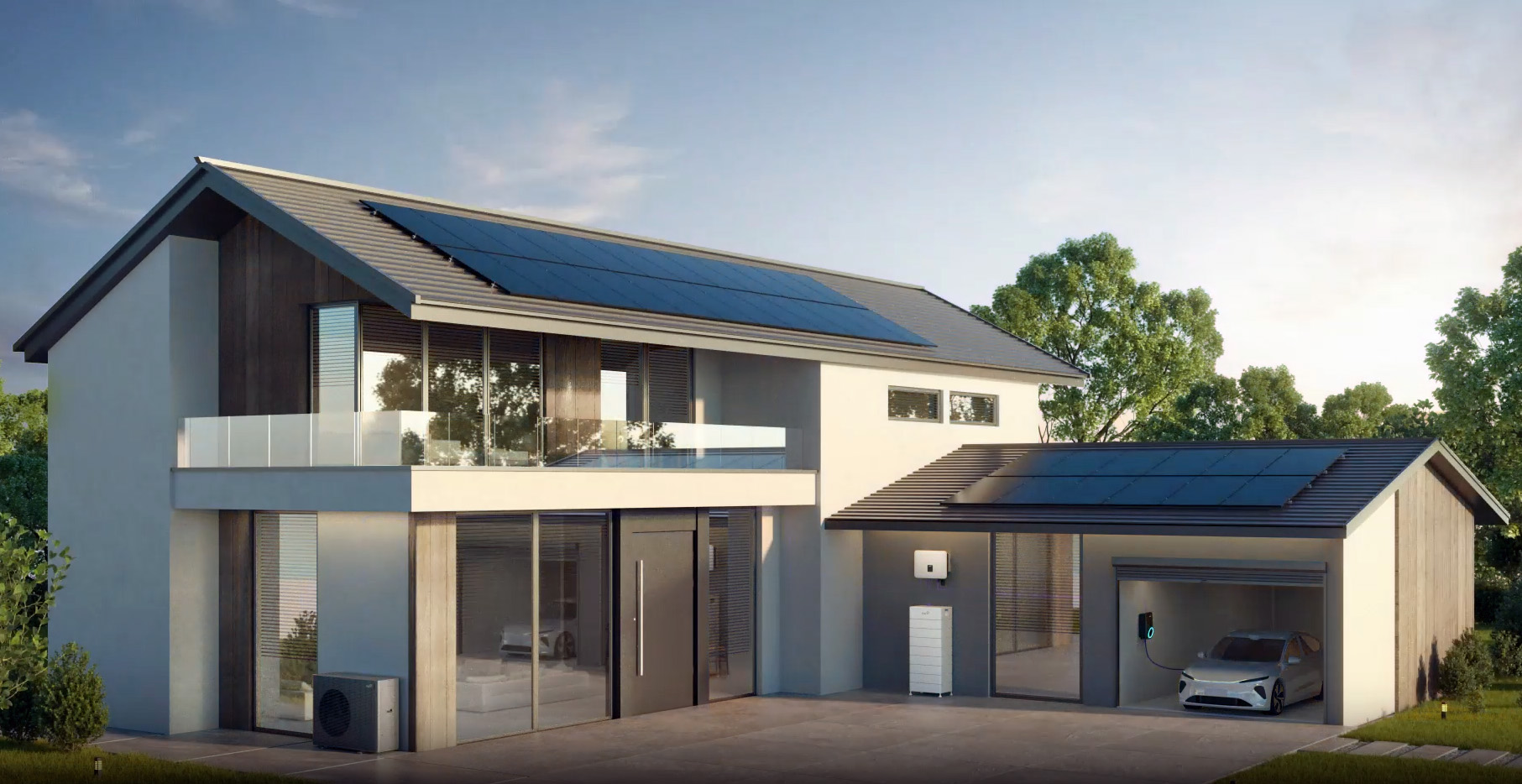
Solar and Battery Eco-system (Image: Fox-ESS.com)
To purchase rooftop solar, you need an understanding of how electricity works. People ask me how many panels I have on my roof, but that doesn’t actually tell you how much energy my system produces. A house with 20 300W panels produces less power than a house with 15 450W ones. To properly size the system, you must understand that this number refers to how much power each panel can produce per hour of direct sun. 20 300W panels add up to a total system size of 6kW, which is how much power output it can produce under perfect circumstances. Multiply that number by the amount of hours of sun in a day, and you have a gauge of how much energy your system can produce by sunset.
Read more: How to Geek

