
Solar panels and crops can share the same land and a new model shows both come out ahead by keeping plants cooler, saving water, and boosting energy output
Solar panels and crops can share land — a new model shows both come out ahead
Solar farms are expanding fast — and so is the pressure on agricultural land. The two needs have long seemed to be in direct competition.
Agrivoltaics, the practice of growing crops beneath or alongside solar panels, has been proposed as a way to ease that tension. But most research has examined only one piece of the puzzle at a time. Now, a new computational model simulates how panels, plants, soil, air, and even farmworkers interact as a single system — and the findings suggest the trade-offs may be smaller than assumed.
Two land uses, one field
Photovoltaic energy is projected to become a dominant global energy source by 2050, and solar farm construction is accelerating to match that ambition. That growth comes at a cost: solar installations frequently occupy land that could otherwise produce food. With a growing global population and rising energy demand, the competition between these two land uses is getting harder to ignore.
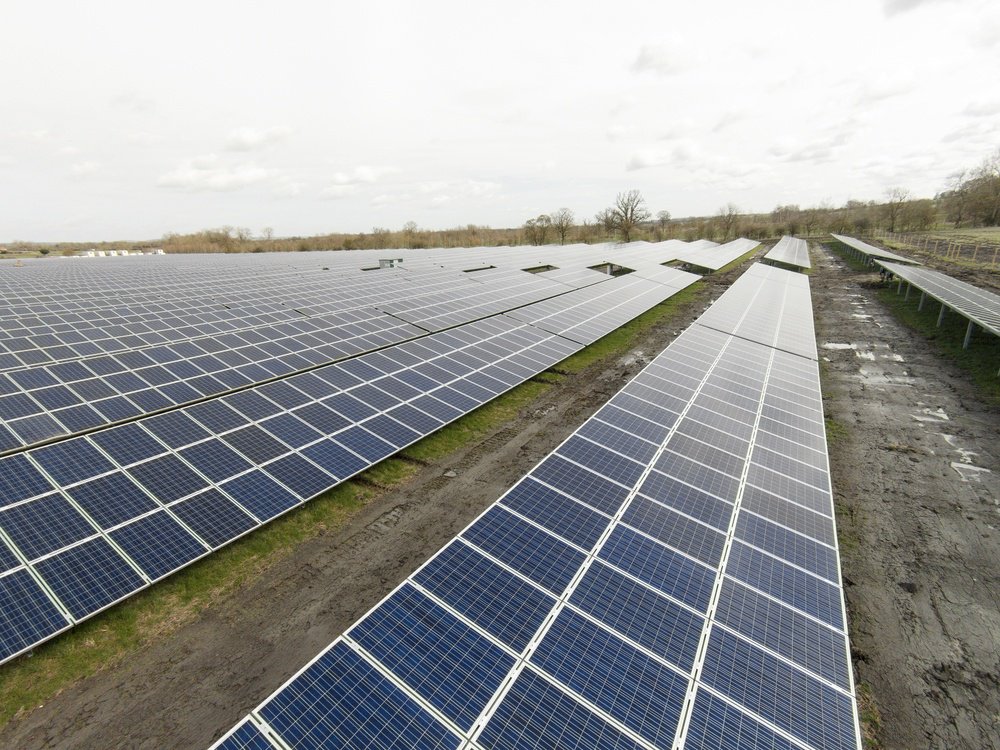
Agrivoltaics offers a straightforward answer — grow crops around or beneath solar panels on the same plot of land. Early research was encouraging. Panels shaded certain crops, retained soil moisture, and supported agricultural output alongside clean energy production. But those studies tended to isolate individual variables, looking at light availability or crop yield without accounting for how all the moving parts interact at once.
Read more: Energies Media