
- Solar was the single largest source of new U.S. power capacity for 28 consecutive months through year-end 2025, accounting for 72.6% of all electricity additions, per FERC data.
- Despite the Trump administration’s rollback of Biden-era clean energy incentives, renewables represented 88% of total new U.S. power capacity in 2025, with FERC projecting solar to surpass coal within three years.
- A shortage of gas-fired turbines is driving further investment into renewables and energy storage, with NextEra Energy CEO John Ketchum noting that renewables remain the fastest path to adding electrons to the grid.
Despite the Trump administration’s pivot away from renewable energies, solar continues to dominate new energy additions in the United States. Newly released data from the Federal Energy Regulatory Commission (FERC) shows that at the close of last year, solar energy additions were the single largest form of new energy capacity installations for the 28th straight month, starting in September of 2023. In fact, in spite of a broad rollback of Biden-era clean energy incentives since Trump resumed office in January of last year, renewables represented a whopping 88 percent of energy additions in 2025, with utility-scale solar alone counting for 72.6 percent of U.S. electricity additions.
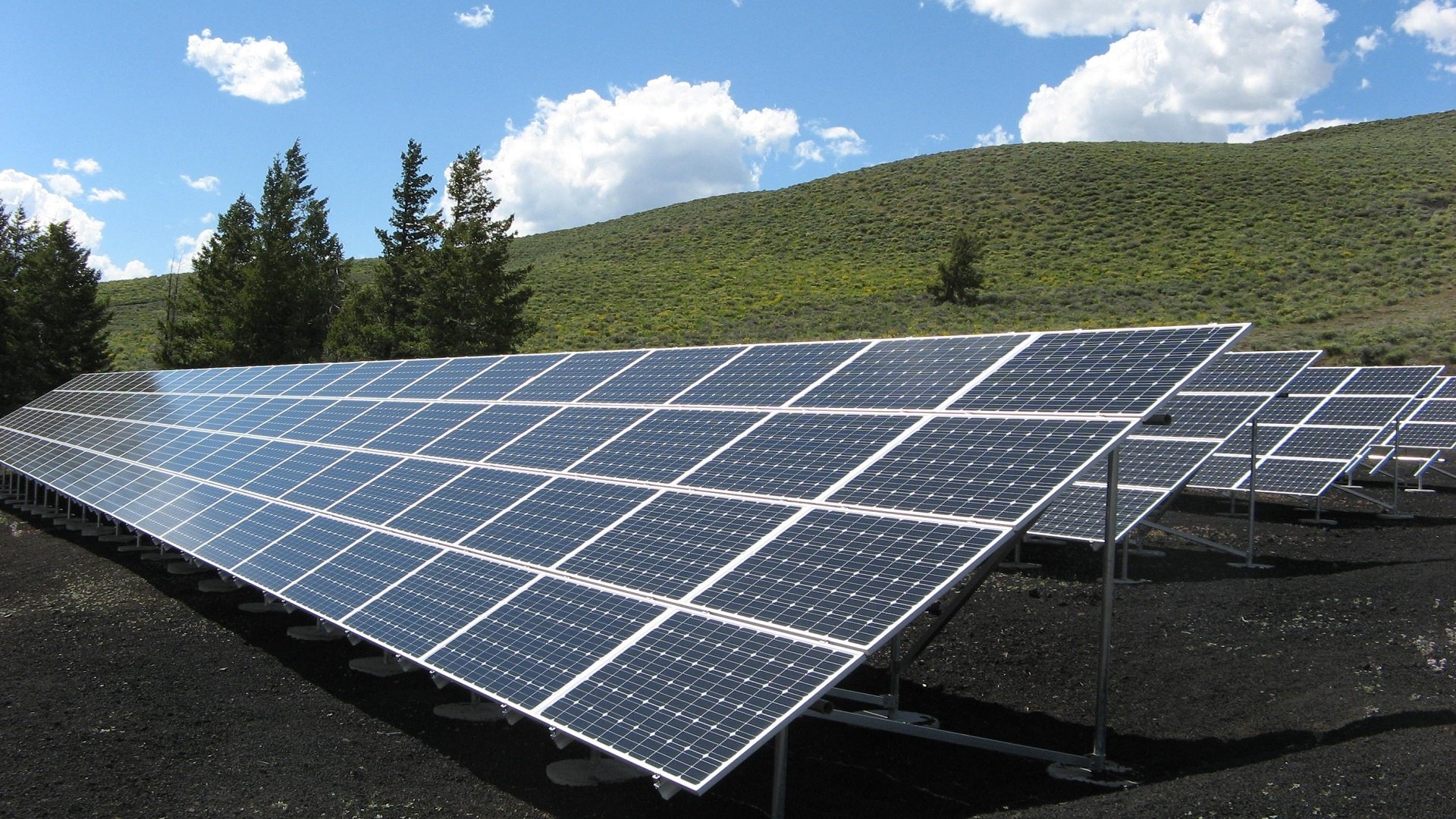
This massive growth trend has caused solar power’s share of the United States energy mix to surpass that of wind power, nuclear power, and hydropower. And while many if not most of these renewable projects were greenlit and funded before Trump took office and rolled back tax cuts and subsidies for solar and wind projects, experts say not to expect a major cooldown any time soon.
In fact, FERC projections show that solar energy installations will continue to grow by 86 gigawatts over the next three years, at which point the sector will surpass coal as well, Trump’s $700 million plan to revive coal production notwithstanding. And, by 2029, if FERC’s projections hold true, solar will become the second-largest energy source in the national energy mix, behind natural gas.
Read more: Oil Price

