
Solar battery storage has moved from a niche upgrade to a serious consideration for UK homeowners looking to get more value from solar panels. In 2026, the question is less about whether batteries work and more about whether they fit the way a household uses electricity.
Homes that produce solar power during the day often export excess energy at lower rates, then buy electricity back later at higher prices. A battery helps close that gap. It can improve self-consumption, support smarter energy use, and offer more control over bills. The real value comes from matching storage to household demand, tariff structure, and system design.
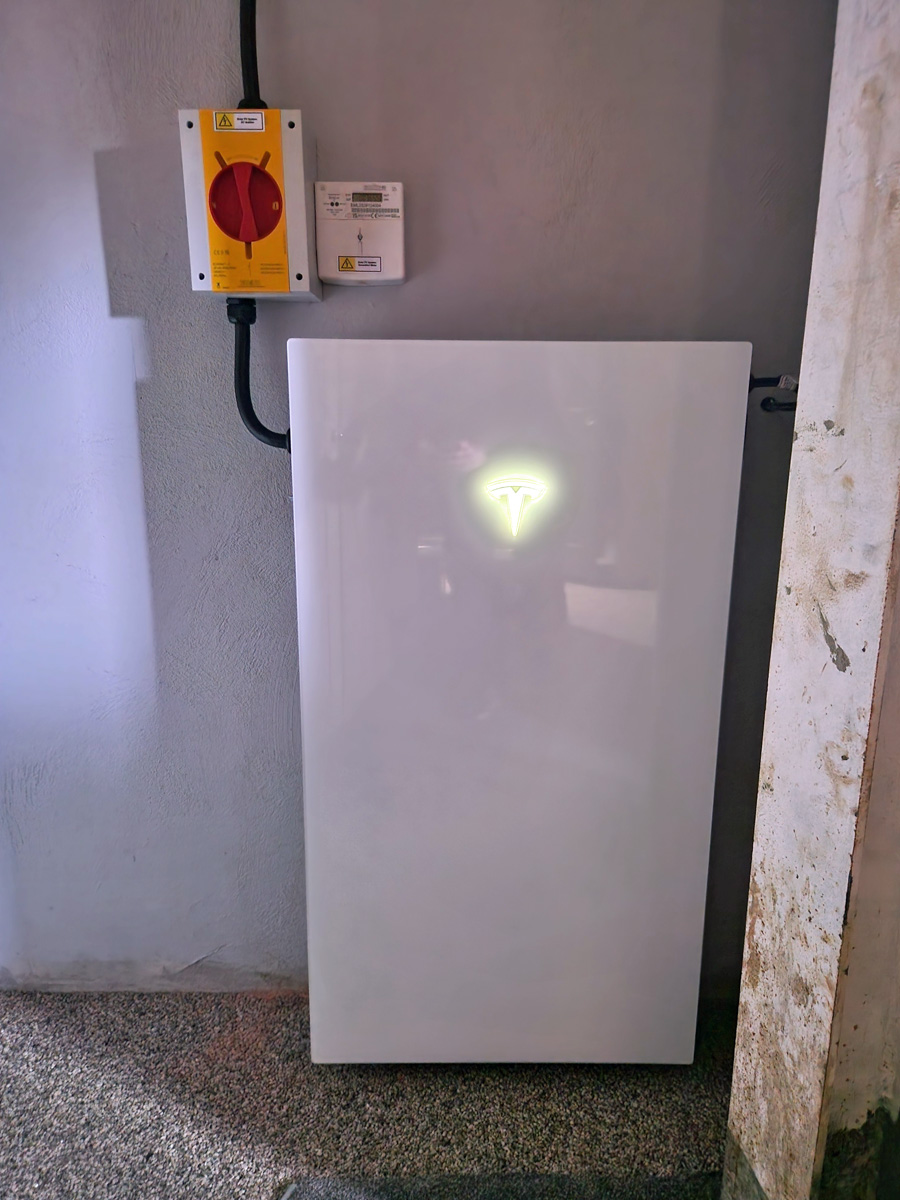
Tesla Powerwall 3 (Image: Tanjent)
Understanding the Value of Solar Batteries for UK Homes
How Solar Batteries Change the Way Homes Use Solar Energy
Solar panels often generate the most electricity around midday, when many households are using less power. Without storage, that surplus is usually exported to the grid. A solar battery changes this pattern by storing excess generation for later use, especially during the evening peak when lights, cooking, and appliances increase demand. This allows a home to rely less on imported electricity and use more of its own renewable energy. In practical terms, batteries turn solar from a daytime-only resource into a broader household energy tool. That shift improves flexibility, makes solar generation more usable, and can increase the overall value of an existing or new solar installation.
Why More UK Households Are Considering Energy Storage in 2026
More UK households are looking at battery storage in 2026 because electricity costs remain a major concern and people want greater control over when they use power. Smart tariffs have made timing more important, rewarding homes that can charge batteries during cheaper periods and use that stored energy when rates rise. Interest has also grown because solar adoption is more common, and homeowners increasingly understand that exporting excess generation does not always deliver the best return. Batteries also appeal to households adding heat pumps, electric vehicles, or other large electrical loads. As energy management becomes more sophisticated, storage is now viewed as a practical way to improve efficiency and reduce waste.
Read more: Warrington Worldwide

