
Before investing in your own rooftop energy system, it’s wise to do your research. That’s why we’ve asked an expert to answer some of the internet’s most-searched questions on solar panels
The way solar panels work is pretty simple – they absorb energy from solar rays and turn it into the kind of energy we can use to power our homes. But when it comes to actually getting your own rooftop solar panels, things might seem a bit more complicated. That’s why we put some of the UK’s most-searched solar installation questions to an expert.
Carl Hogg is managing director for services at Good Energy, an energy company dedicated to helping customers power their homes and businesses renewably. An important part of its work is solar power, guiding customers through everything from installation to selling energy excess back to the grid. That makes Hogg the ideal person to answer the internet’s most pressing questions about all things solar. Here’s everything you need to know …
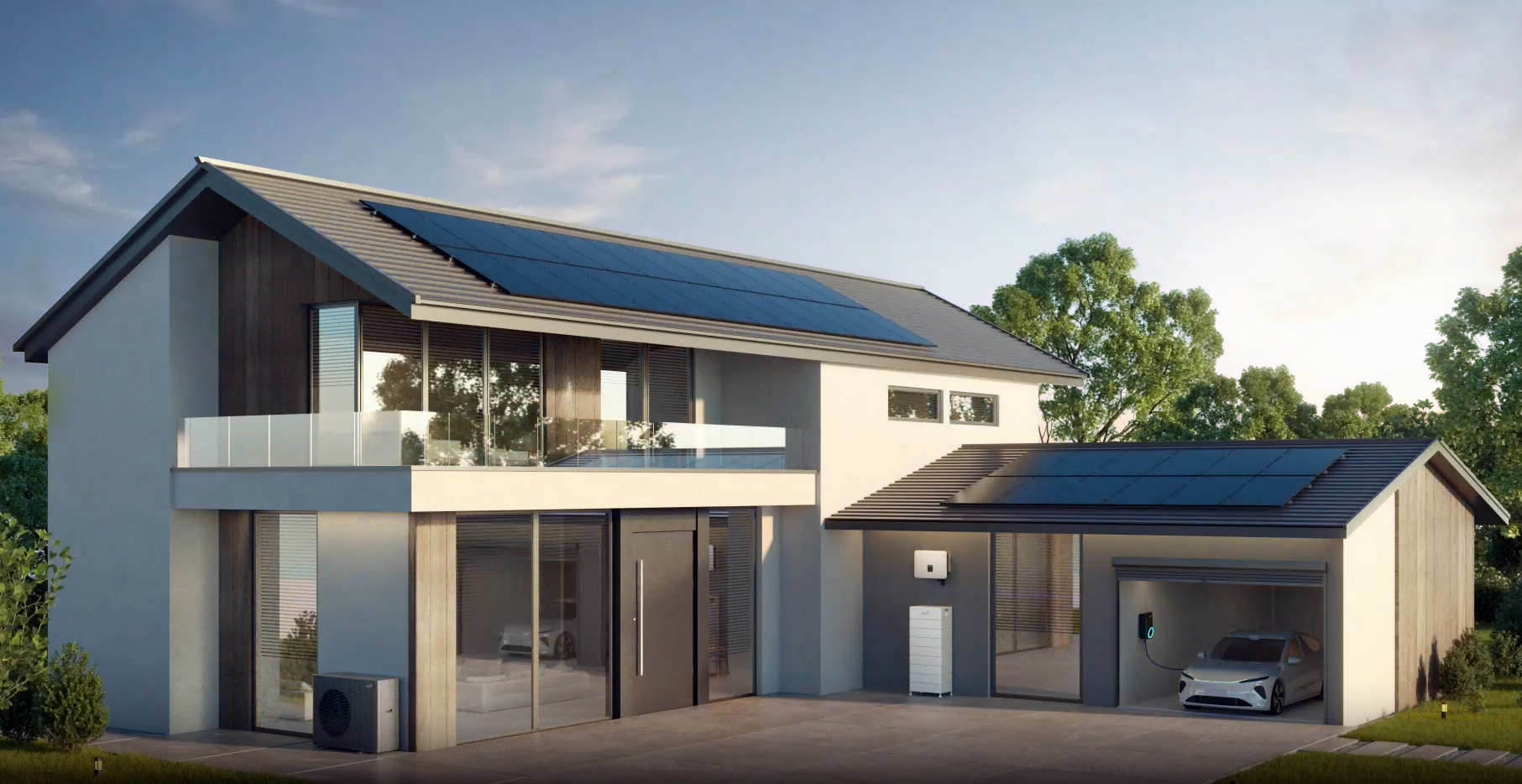
Solar and Battery Eco-system (Image: Fox-ESS.com)
How much should solar panels cost?
Hogg’s answer to this is essentially that it depends. But he recommends that homeowners budget between £6,000 and £14,000 for a “solar array”. What’s a solar array, you ask. An array includes the panels and also the devices that transform the solar rays they absorb into usable power. It might include a battery, too, to store excess energy produced.
The reason it’s hard to be more specific is that, as Hogg notes, any good installer should look to understand your needs and design a system to match them. “We typically go out to every single property and do a full survey. We sit down with a customer, we have a really in-depth discussion with them. Then we design a bespoke solution,” he says.
How many solar panels do I need?
Once again, the answer to this isn’t the same for everyone. “It depends on the size of the house, the energy consumption, how many people live there and how they use electricity,” says Hogg. It also depends on your solar generation goals. He says that “10 panels will normally supply 30-50% of a household’s electricity use” – “essentially free energy from the sun”. However, with a solar battery that figure can be much higher – you can expect about 80% of your household energy usage to be covered by your solar panels, thanks to the battery’s ability to store excess power.
Solar panels it seems, are a bit like parties – better when it’s sunny and the more the merrier. “Our advice is always, if you can, you should maximise and put as many panels on your house as possible,” Hogg says. “It’s all about trying to make the most of your roof space to get as much energy output as possible.”
Read more: The Guardian

