
- The 40-day blockade of the Strait of Hormuz — through which roughly 20 million barrels of oil and gas pass daily — has prompted a global scramble for energy independence, accelerating demand for clean energy storage systems.
- Chinese exports of inverters, a key component in energy storage systems, have surged 57% year-on-year, driven first by AI infrastructure demand and now compounded by the Iran conflict.
- China controls dominant shares of global solar, wind, battery, and EV supply chains, leaving it uniquely positioned to supply the world as nations pivot away from fossil fuel dependency.
There is great uncertainty as to whether and to what extent the Strait of Hormuz is reopening the flow of global oil and gas trade against the backdrop of a fragile ceasefire. What is certain, however, is that the global energy sector will see far-reaching consequences of the historic disruption for a long time to come. In fact, the global energy landscape may never be the same again.
On an average day, approximately one-fifth of the world’s oil and gas trade crosses through the Strait of Hormuz, a waterway between the Persian Gulf and the Arabian Sea controlled by Iran. That flow of around 20 million barrels per day dropped to virtually zero a bit over a month ago when the United States and Israel started bombing Iran. As a result, oil and gas prices skyrocketed overnight on a global scale, with particularly severe consequences for Asia and for poor countries across the Global South that are more reliant on energy imports and less resilient to market shocks.

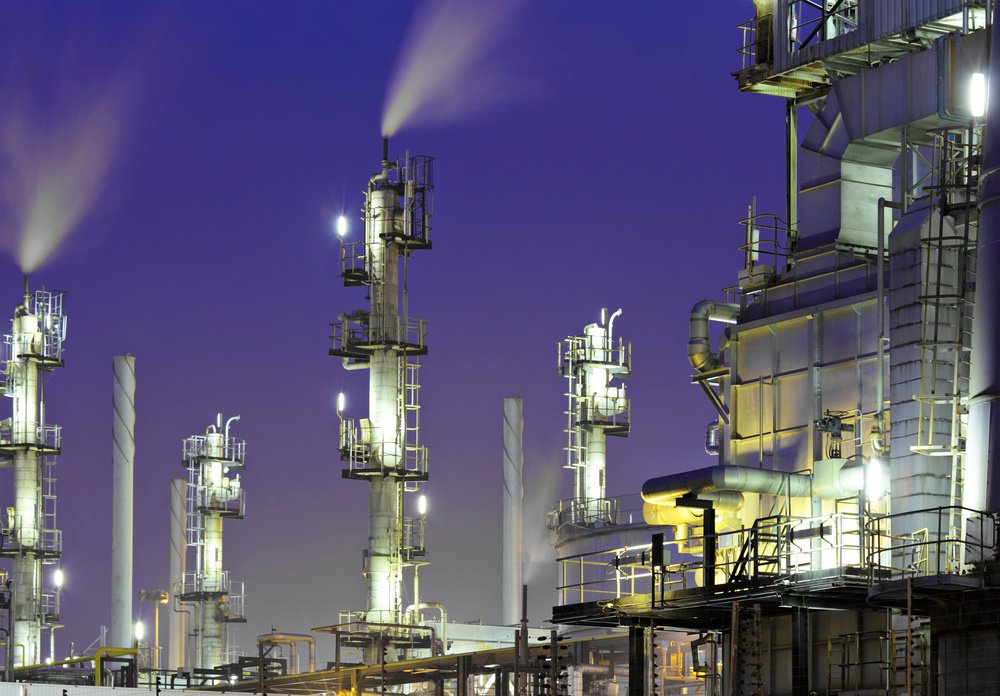
Oil refinery plant at night
As a result, the world is shifting its energy priorities to place energy security and resilience as a matter of utmost urgency, even if it means undertaking difficult transitions away from long-entrenched trade relationships and expansive established energy infrastructure. In short, it is about to kick the global clean energy transition – and, by association, the global energy storage sector – into overdrive.
“For years, clean energy has been sold as a moral imperative. Now it is simply an economic and geopolitical necessity,” states a Forbes report from earlier this month. “It’s not about emissions. It’s about resilience and price stability.”
Read more: OilPrice

