
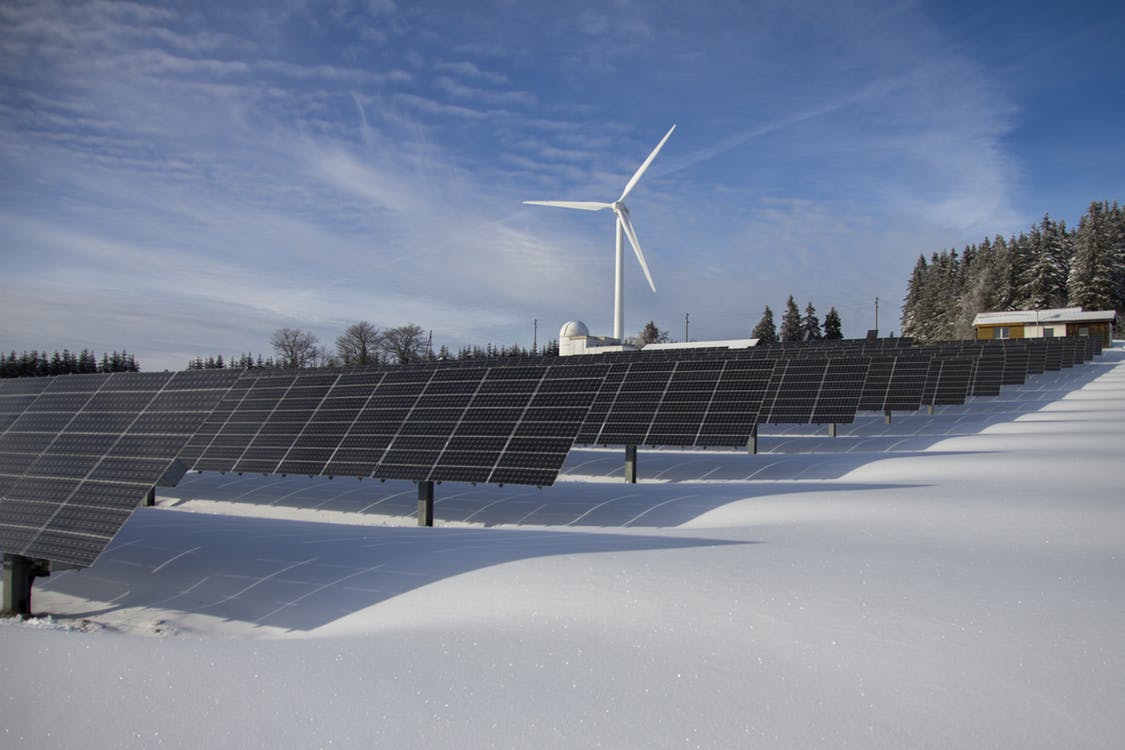
Producing electricity from wind turbines and solar panels is cheaper than ever before. So why are households across Europe seeing record amounts on their electricity bills?
Over the past decade, the levelised cost of solar power has fallen by roughly 90%, while onshore wind is now the cheapest source of electricity. Auction prices for new renewable projects frequently undercut fossil fuel generation: according to the International Renewable Energy Agency, approximately 91% of newly commissioned utility-scale renewable capacity produces electricity at a lower cost than the cheapest new fossil fuel alternatives.
Yet for many European consumers, energy bills are still anything but cheap. Germany continues to have some of the continent’s highest household electricity prices; in the United Kingdom, soaring energy bills between 2021 and 2023 triggered a cost-of-living crisis severe enough to require government intervention.
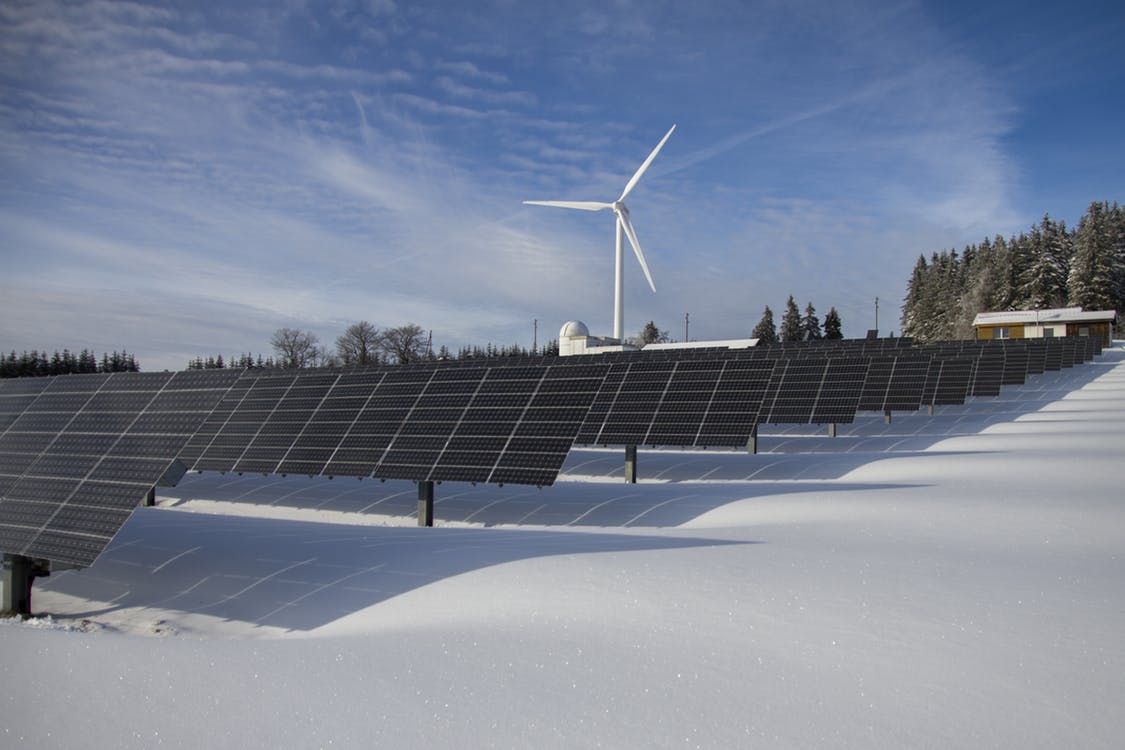
If renewable energy is so cheap, why are consumers still paying so much for power?
Renewables Are Pushing Wholesale Prices Down
Electricity markets in most countries operate on a “merit order” system: electricity generators are dispatched in order of running cost, from cheapest to most expensive, until supply meets demand. The price at which all electricity trades in any given period is set by the last (and most expensive) source called upon.
Once a wind turbine or solar farm is built, generating electricity costs very little. Unlike coal and gas plants, there is no fuel to buy. When renewable output is high, these low operating costs push more expensive generators out of the market, bringing wholesale electricity prices – what suppliers pay before electricity reaches homes and businesses – down with them.
Read more: Earth.org

