
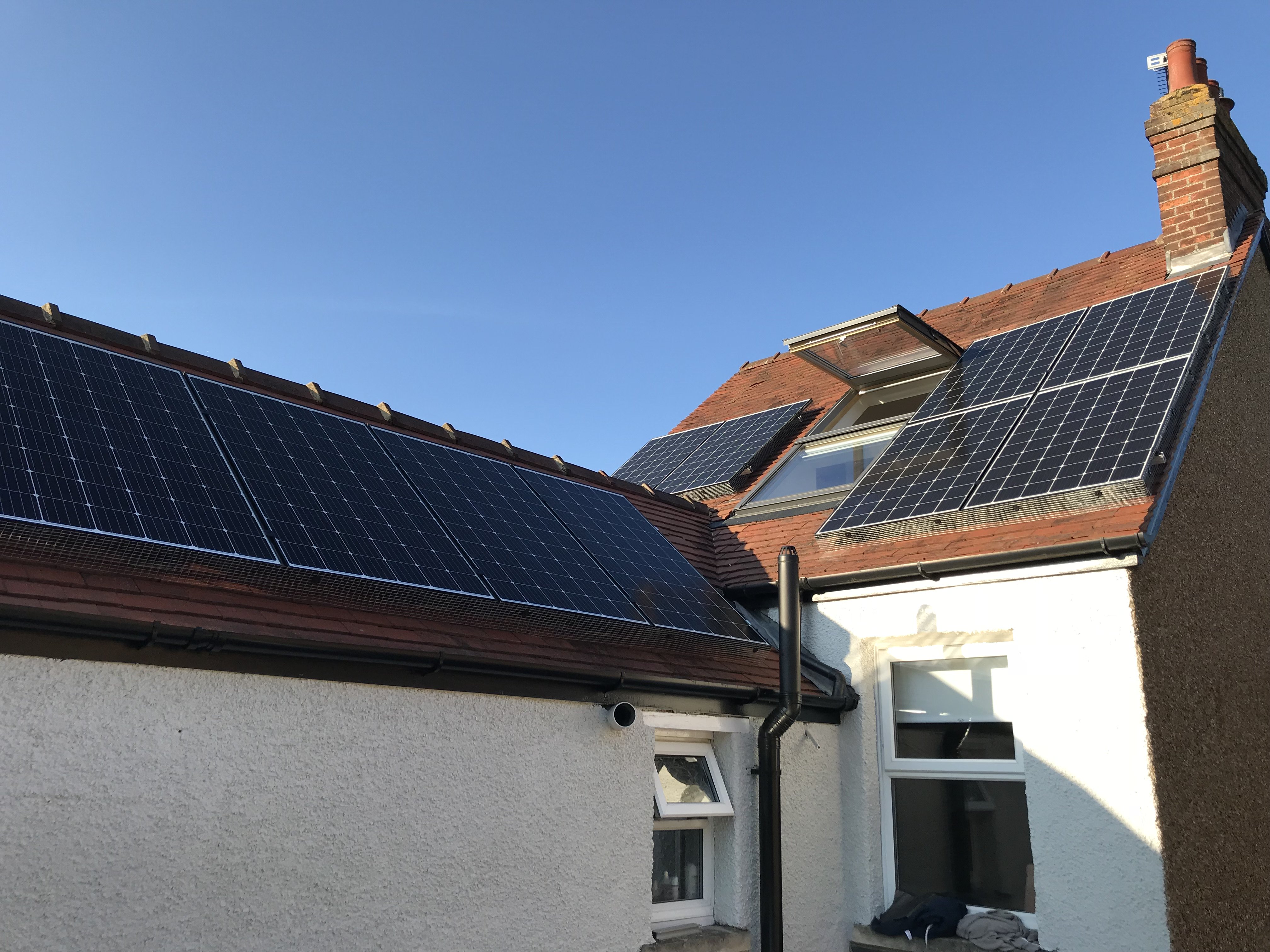
Solar panels are designed to be low‑maintenance, but for some homeowners researching the best solar panels, they come with an unexpected side effect: birds.
The small gap between roof‑mounted panels and the tiles beneath can create a warm, sheltered space that’s ideal for nesting. Over time, that can lead to noise, debris and, in some cases, damage that’s costly to put right.
Bird proofing is often presented as a must‑have extra when installing solar panels, but it isn’t always essential. Understanding when it’s genuinely needed — and what it costs — can help you decide whether it’s worth the investment, particularly if you’re weighing up whether solar panels worth it in the long term.
Here’s what bird proofing costs, the most effective solutions, and when it’s worth paying for protection.

Why birds target solar panels
Most solar panels are mounted a few inches above the roof surface to allow airflow. For birds such as pigeons, starlings and gulls, that gap offers protection from wind and predators, as well as residual warmth from the panels themselves.
Once birds have nested under a solar array, they tend to return year after year unless access is blocked. In built‑up areas, where food sources are plentiful, this can quickly become a persistent problem.
What problems can birds cause under solar panels?
The most common issue homeowners notice first is noise. Nesting birds can be loud, particularly early in the morning, and scratching or fluttering sounds can be amplified through the roof.
Droppings and nesting debris are another frequent complaint. These can collect in gutters, stain roof tiles, patios and walls, and create an ongoing cleaning problem. Over time, acidic bird droppings can also contribute to corrosion on metal roof components.
Read more: The Independent on MSN

